
In This Article
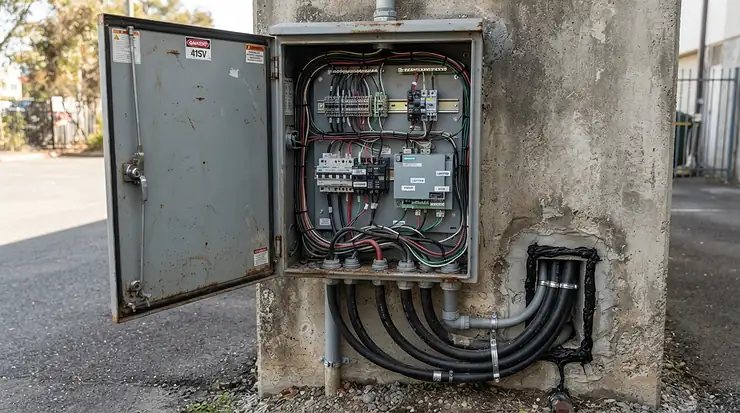
Steel wool vs expanding foam for mice is the question of which gap-filling material really stops a mouse getting indoors: a tangle of sharp metal fibres that mice dislike gnawing, or a polyurethane foam that seals and insulates but can be chewed. In practice, the strongest answer is neither on its own. It is both, used together.
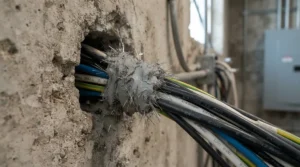
Here’s the awkward truth. A house mouse can flatten itself through a gap about the width of a pencil, and UK councils commonly put the figure at around 5mm. That is smaller than the gap you can see under most skirting boards. Meanwhile, the cheerful advice on forums (“just foam it!”) has launched a thousand hollowed-out foam tunnels.
So this guide does the dull, useful work. We compare seven real UK-available proofing products, explain why wire wool (the British name for steel wool) behaves so differently from foam, and show you how to combine them so the repair is still there next winter. Along the way we answer the questions people actually type: do mice chew through expanding foam, can mice chew through steel wool, and which grade is worth buying.
One honest note first: prices below are ranges from retailer listings at the time of research, and they move. Check current price and availability before you buy.
Quick Comparison: 7 Mouse-Proofing Products at a Glance
| Product | Type | Approx. price | Best For |
|---|---|---|---|
| The Big Cheese Mouse Out Wire Wool Rodent Blocker Kit | Wire wool pads + tamper | Around £10-£12 | Budget first-timers sealing indoor gaps |
| Xcluder Rodent Mesh | Stainless wool/poly fabric | Around £19-£24 | Damp or exterior gaps |
| Vermiguard Proofing Mesh | Stainless proofing mesh | Around £20-£26 | Professional-style void proofing |
| Metex RaxWool Pro | Stainless wool with built-in sealant | High £30s | One-product hybrid fixes |
| The Big Cheese Mouse Out Barrier Foam | Rodent-marketed foam | Under £10 | Filling and holding wool in larger voids |
| Metex Raxit RaxFoam Set | Foam + seal + stainless mesh bundle | Check current price | All-in-one pipe and cable penetrations |
| Metex RaxStop Rodent Sealant | Soft-core sealant | Around £12 | Finishing over wool in small cracks |
The pattern is clear if you read down the “Type” column. Four of the seven are metal-based barriers, two are foam, and one is a sealant. That split mirrors how professionals work: metal stops the teeth, and something sticky keeps the metal in place. For tight budgets, the Big Cheese Wire Wool Kit plus any decent sealant is the lowest-cost route that still follows that logic. If damp is involved, the stainless options (Xcluder Rodent Mesh, Vermiguard Proofing Mesh, Metex RaxWool Pro) justify their premium.
💬 Just one click — help others make better buying decisions too!😊
The table is a shortcut, not a verdict. The real decision depends on gap size, moisture and whether you can reach the hole from both sides, which the sections below unpick.
Top 7 Steel Wool vs Expanding Foam for Mice Products: Expert Analysis
1. The Big Cheese Mouse Out Wire Wool Rodent Blocker Kit — cheapest sensible starter kit
This kit earns its place by solving the problem most DIYers ignore: packing the wool tightly enough that it stays put.
The box contains eight large wire wool pads, a tamper and a peppermint oil spray. The tamper is the quiet hero. Wool that is merely poked into a hole can be tugged out by a determined mouse, whereas wool compressed to a dense plug is far harder to shift. Retail listings differ on the material: one retailer describes stainless steel wool, while another says only “rust-resistant”, so check the packaging before using it outdoors.
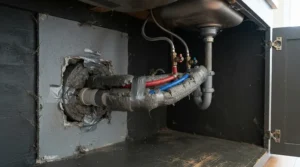
Our analysis is straightforward. This is a good fit for sealed, dry, indoor gaps such as the holes around waste pipes under the sink. The peppermint spray is positioned by the manufacturer as a deterrent, but the physical plug is what does the real work. For exterior brickwork you would want to back it with sealant.
Review sentiment: we could not verify a meaningful pool of independent amazon.co.uk reviews for this exact kit at the time of research, so we make no claims about customer ratings. Judge it on the specification.
Pros:
- ✅ Includes a tamper for dense packing
- ✅ Eight pads cover many small gaps
- ✅ Very low cost of entry
Cons:
- ❌ Material specification varies between retailer listings
- ❌ Needs sealant over it for outdoor use
Price: around £10-£12. Strong value for indoor jobs.
2. Xcluder Rodent Mesh — the stainless fabric pest controllers name-check
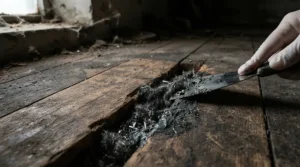
Xcluder Rodent Mesh is coarse stainless steel wool interwoven with polyester fibres. That construction explains its main selling point: it springs back after compression, so it keeps pressing against the sides of an irregular gap rather than slowly slumping.
The stainless content matters in the real world. Ordinary wire wool is mild steel, and the British Pest Control Association (BPCA) notes it can turn into orange mush within weeks in damp conditions. Stainless fabric does not rust that way, which makes it the safer pick for weep holes, airbrick surrounds and anywhere condensation lives.
Based on the spec comparison, this is the material to choose when you cannot easily revisit the repair. It still benefits from a bead of sealant or foam to stop it being pulled out, a point echoed by US home-improvement coverage.
Review sentiment: verified independent review data for UK listings was thin at the time of research. One US deals-forum comment described it as effective and a one-off job compared with plain steel wool, but that is anecdote, not evidence.
Pros:
- ✅ Stainless construction resists rust and corrosion
- ✅ Springs back to fill awkward gaps
- ✅ Suits damp and outdoor locations
Cons:
- ❌ Pricier per metre than plain wire wool
- ❌ Stainless strands need sturdy snips and gloves
Price: around £19-£24 for a multi-roll pack. Good long-term value.
3. Vermiguard Proofing Mesh — trade-style stainless backing
Pest controllers name Vermiguard Proofing Mesh alongside Xcluder as a better backing material than domestic wire wool. The BPCA’s reasoning is that stainless content means it won’t corrode or degrade, and that it has extra “spring” to fill nooks and crannies tightly.
In practice, that makes it ideal for the places DIY repairs fail: voids behind kitchen units, gaps where a pipe passes through a cavity wall, and the uneven edges of old brickwork. The material’s springiness does the job a tamper does with softer wool.
Availability is the caveat. It is sold mainly through UK pest-control suppliers, with formats starting from around £20 for rolls and fabric strips, so check whether your preferred retailer stocks it before you plan around it.
Here’s what to weigh: if you only have one or two holes, this is overkill. If you are proofing an entire older house, the cost per metre becomes reasonable.
Review sentiment: consumer reviews were not verifiable at the time of research. The case for it rests on the BPCA’s description of the material rather than customer ratings.
Pros:
- ✅ Stainless, so it won’t rust to mush
- ✅ Extra spring fills irregular voids snugly
- ✅ Named by BPCA as a better backing material
Cons:
- ❌ Mostly sold via trade-style suppliers
- ❌ Overkill for one or two small holes
Price: around £20-£26 depending on format. Worth it for whole-house jobs.
4. Metex RaxWool Pro — wool and sealant in one product
Metex RaxWool Pro is the neatest answer to the combining steel wool and sealant debate. It is coarse stainless steel interwoven with synthetic fibres, and the listing says it contains a non-hardening, diamond-enhanced sealant. In plain English, the wool and the “glue” arrive pre-married.
The spongy texture means it can be cut to size and pressed into a gap, with the built-in sealant helping it grip. The 3m × 100mm format is generous, so it suits runs of gaps rather than a single hole.
What the spec sheet won’t tell you is how it behaves on a very narrow gap. At 100mm wide, you will be cutting strips down, which wastes material on pencil-width cracks. It makes more sense for bigger voids around boilers, soil pipes and service entries.
Review sentiment: we could not confirm a robust set of independent reviews, so we offer no customer-rating claims.
Pros:
- ✅ Built-in sealant helps the wool grip
- ✅ Stainless, rust and corrosion resistant
- ✅ Suitable for indoor and outdoor gaps
Cons:
- ❌ Highest outlay of the seven
- ❌ Wide format wastes material on tiny gaps
Price: high £30s. Good value only for larger or repeated jobs.
5. The Big Cheese Mouse Out Barrier Foam — the budget foam with a rodent label
Rodent-marketed foam is a seductive idea, and The Big Cheese Mouse Out Barrier Foam is the cheapest of the lot. Listings describe a non-toxic, water-resistant foam for indoor and outdoor use, and suggest pairing it with wire wool for large holes.
That last recommendation is the important one. The same maker’s own advice effectively concedes the point: foam is the filler, wool is the barrier. Retailer listings call the cured foam an impenetrable block, but we would treat that as marketing language. The BPCA says expanding foam has roughly the density of polystyrene and is so weak against rodents that its best use is as a visual clue to where they are getting in.
Our analysis: buy this as the adhesive and gap-filler that holds wool in place and blocks draughts, not as a standalone mouse barrier. Used that way, it is excellent value. Can sizes vary between retailers, so confirm the volume before comparing prices.
Review sentiment: no verifiable review pool was found, so we make no rating claims.
Pros:
- ✅ Very low cost for a can
- ✅ Water-resistant for indoor and outdoor use
- ✅ Holds wool firmly in larger voids
Cons:
- ❌ Foam alone can still be chewed
- ❌ Can size varies between retailer listings
Price: under £10. Excellent value as a wool-holder.
6. Metex Raxit RaxFoam Set — foam, seal and mesh in one bundle
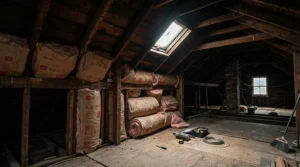
The Metex Raxit RaxFoam Set is, in effect, a ready-made hybrid kit. The listing says it contains 500ml of RaxFoam sealant, a 15cm Raxit seal and 2m of stainless steel mesh, with integrated additives intended to deter insects, rodents and small animals.
That bundle matters. The mesh supplies the chew-resistant layer the foam lacks, so you are following the professional “backing plus filler” logic without sourcing parts separately. It is aimed at utility penetrations in new builds and renovations, so think cable entries, pipe sleeves and boiler flues.
The listing says the pack covers around 1m². Treat that as a rough guide and not a promise, because real coverage depends on gap depth and how much the foam expands.
A sensible reading: the deterrent additive is a bonus, not the main event. The mesh is the barrier. If the mesh will not fit your gap, you are back to relying on foam alone.
Review sentiment: not verifiable at the time of research, so no ratings are claimed.
Pros:
- ✅ Bundles foam and stainless mesh together
- ✅ Suited to pipe and cable penetrations
- ✅ Additives add a secondary deterrent
Cons:
- ❌ Mesh length limits large jobs
- ❌ Price not confirmed, so check current price
Price: check current price. Likely sits above a plain foam can.
7. Metex RaxStop Rodent Sealant — the soft-core finishing coat
Metex RaxStop Rodent Sealant is the specialist among the seven. The listing says it forms a durable outer shell while keeping a soft core, can be painted with common acrylic paints, and is enhanced with synthetic diamonds and steel powder, which makes it detectable.
The soft-core idea has a rationale. The BPCA notes that some products rely on a soft centre because it is less attractive to gnaw, and a hard shell over a soft core is a different strategy from rigid foam. That is the BPCA’s description of the category, not a verified result for this specific product.
Use it as the finishing layer over wool, which is exactly the combining steel wool and sealant approach. The listing also advises testing before application, which is sensible on painted or delicate surfaces. Coverage is quoted as 3.35m of a 9mm × 9mm joint per 300ml, so it suits narrow cracks better than big voids.
Review sentiment: no verified independent review pool at the time of research.
Pros:
- ✅ Paintable, so repairs blend in
- ✅ Soft core under a durable shell
- ✅ Detectable additives help later inspection
Cons:
- ❌ Not suited to wide gaps
- ❌ Needs wool behind it for real strength
Price: around £12. Fair value as a finishing coat.
How to Choose Between Steel Wool and Expanding Foam for Mice
Use these steps to decide in under five minutes.
- Measure the gap. If a pencil fits, a mouse can follow. Councils such as Havant Borough Council put the mouse-entry gap at roughly 5mm, so treat anything wider than that as a way in.
- Check for moisture. Damp locations need stainless wool or mesh. Mild-steel wire wool is fine in a dry cupboard, but not in a wet cavity.
- Decide whether you can reach both sides. If you can only work from one side, a wool-and-sealant hybrid is easier than layering foam over mesh.
- Pick the backer first, the filler second. Metal stops the teeth; foam or sealant holds the metal in place.
- Consider cosmetic finish. Exposed repairs near skirting need a paintable sealant, while hidden voids can take foam.
- Budget for the whole job. Cheap wool plus a cheap can will beat an expensive single product used badly.

Do Mice Chew Through Expanding Foam?
Yes, they can, and this is the single most important fact in the whole debate.
The BPCA’s technical guidance describes expanding foam as having the equivalent density of polystyrene, and says it is so weak against rodents that its best use is a visual clue showing where they are coming from. Anyone who has found a neat tunnel through a yellowing foam blob will recognise that.
Why does it fail? Foam offers no resistance to teeth that grow continually and need constant wear. It is soft, easy to bite into, and often leaves a hollow space behind that mice can use as a runway. Foam labelled for rodents typically relies on additives or a bundled mesh to improve the odds, but the cured foam itself remains a soft material.
So where does foam still earn its keep? It stops draughts, fills irregular voids that wool alone cannot seal, and glues the wool in so it can’t be pulled out. That makes it a brilliant second layer and a poor first line of defence. Anyone asking do mice chew through expanding foam should hear the short version: yes, so never leave it as the only barrier.
Can Mice Chew Through Steel Wool?
Mostly they avoid it, which is not quite the same thing as being unable.
Steel wool is a mass of fine, sharp metal strands. Trade guidance and home-improvement sources broadly agree that mice dislike gnawing it and will usually look for another route. The honest caveat is that mice are persistent, and wool that is loosely stuffed can simply be pulled out or pushed aside. That is why the BPCA describes the foundation of rodent proofing as wire wool or mesh backed by foam holding it in place.
The other problem is corrosion. The BPCA warns that plain wire wool is mild steel, highly susceptible to damp, and can degrade to an orange mush in as little as a few weeks. A rusted-through plug is no barrier at all.
If you are asking can mice chew through steel wool, treat the answer as “rarely, if it is dense, anchored and dry”. Packed tightly, fixed with sealant and kept away from moisture, it is one of the most reliable cheap materials you can use.
Stainless vs Coarse-Grade Steel Wool: Which Grade Should You Buy?
The choice between stainless vs coarse-grade steel wool is really two decisions bundled together: metal type and strand thickness.
Coarse-grade wool matters because thicker strands are harder to chew and harder to compress into a flimsy plug. Very fine grades, such as the 0000 sold for polishing, are easier to pull apart and are the wrong tool for the job. Pest-specific products tend to use coarse stainless strands for exactly this reason.
Metal type matters because of rust. Mild-steel wool is cheap and perfectly serviceable in dry, hidden places. Stainless is better wherever water, condensation or outdoor weather is involved, which is why professionals favour stainless fabrics.
Our recommendation, framed as reasoning and not as a lab result:
- Dry indoor gap under a sink: coarse wire wool, sealed over, is fine.
- Cavity wall, airbrick surround or exterior gap: stainless, such as Xcluder Rodent Mesh or Vermiguard Proofing Mesh.
- Awkward voids needing a one-product answer: Metex RaxWool Pro.
Avoid grades sold for polishing. They are designed to be soft.
Steel Wool or Foam for Small Gaps?
For genuinely small gaps, the answer is steel wool or foam used in that order: wool first, foam second.
Small gaps are the danger zone because they are exactly the size mice exploit. A pencil-width crack gives foam almost no depth to grip and little thickness to resist teeth. Wool, packed tight with a tamper, gives you a dense metal plug right where you need it.
| Method | Chew resistance | Damp tolerance | Stays put? | Best For |
|---|---|---|---|---|
| Plain wire wool alone | Good while intact | Poor | Can be pulled out | Dry, hidden gaps |
| Expanding foam alone | Poor | Good | Yes | Draught-proofing only |
| Wool plus foam | Good | Moderate | Yes | Big Cheese Barrier Foam over Big Cheese Wire Wool Kit |
| Stainless mesh plus sealant | Very good | Very good | Yes | Xcluder Rodent Mesh with Metex RaxStop Rodent Sealant |
| Hybrid product | Very good | Very good | Yes | Metex RaxWool Pro for single-product jobs |
The table makes the trade-off visible: the weakest rows are the single-material ones. Wool-only fails on anchoring and rust, foam-only fails on chew resistance, and the combined rows fix both. If your budget is tight, the wool-plus-foam row costs little more than either material alone, and delivers far more protection.
Combining Steel Wool and Sealant: The Method Professionals Use
Combining steel wool and sealant is the closest thing this subject has to a settled technique.
The logic, as the BPCA summarises it, is that the wool or mesh stops the rodent from gnawing, pushing and pulling, while the foam or filler holds it all in place. Each material covers the other’s weakness. Wool resists teeth but can be pulled out; sealant grips but can be chewed.
Here is how that plays out in practice. Pack the wool deep into the gap so it sits slightly below the surface. Then finish with a layer of sealant over the top, which both anchors the plug and shields mild steel from moisture. Flexible sealants cope better with the small movements of pipes and framing.
Choose the finishing product by location:
- Hidden cavity: foam, such as Big Cheese Barrier Foam.
- Visible crack: a paintable soft-core sealant, such as Metex RaxStop Rodent Sealant.
- Wide void: stainless mesh with foam, or the Metex Raxit RaxFoam Set.
The key rule is that the sealant covers the wool; it doesn’t replace it.
The House Mouse (Mus musculus): Why Biology Dictates the Fix
Understanding the house mouse (Mus musculus) explains why this problem keeps returning.
Mice are small, flexible and persistent. Council guidance notes they breed rapidly, with females producing litters every few weeks under good conditions, so a small gap can become a big problem quickly. They gnaw to keep their teeth in condition, which is why soft materials fail and sharp, dense ones succeed. They also climb rough surfaces and can use climbing plants to reach roof level.
Three practical lessons follow:
- Gap size is the whole game. Around 5mm is enough, so partial repairs do little.
- Soft barriers are chewing practice. Foam is easy to gnaw, so a metal layer is essential.
- Entry points are rarely single. Mice tend to use several, so one blocked hole usually just moves the traffic.
That last point is why trapping and proofing belong together. Seal first and you may trap mice inside, where they will gnaw new routes. Trap first, then proof.
How to Mouse-Proof a Gap Step by Step
This practical routine turns the products above into a repeatable job.
What you need: gloves, snips or strong scissors, a tamper or blunt dowel, wool or mesh, foam or sealant, and a torch.
- Clear the area. Remove droppings with gloves on and ventilate the room.
- Trap first. Make sure no mice are still inside before you seal.
- Cut the wool or mesh oversize. A plug slightly bigger than the gap compresses to a tight fit.
- Pack it deep. Use the tamper (the Big Cheese Wire Wool Kit includes one) to compress it until it won’t move when pulled.
- Seal over it. Apply foam or sealant so the wool is fully covered and anchored.
- Handle doors separately. The gap beneath an external door should be under about 6mm, according to East Lothian Council’s mouse advice; a brush strip or door sweep is the right fix, not wool.
- Inspect monthly. Check for fresh droppings, gnaw marks or pulled-out wool for the first three months.
Common first-month mistakes include using too little wool, leaving it exposed to damp, and skipping the sealant. Do not block ventilation airbricks solid; cover them with fine metal mesh instead.
✨ Ready to stop the scratching in the walls?
🔍 A tamper, a decent bit of stainless mesh and a can of foam is a small outlay compared with a repeat infestation. Click on any highlighted product to check current pricing and availability, then give your home a barrier that mice genuinely dislike!
Problem and Solution Guide: Five Common Mouse-Proofing Failures
Problem 1: The foam has been chewed through.
Foam alone is the usual culprit. Remove the damaged section, pack wool or mesh into the void, and refoam over the top.
Problem 2: The wool has turned orange and crumbly.
That is mild steel rusting in damp. Replace it with stainless, such as Xcluder Rodent Mesh, and seal over it.
Problem 3: The wool keeps getting pulled out.
It was not anchored. Compress it harder and cover it with foam or Metex RaxStop Rodent Sealant.
Problem 4: Mice moved to a new hole.
That is normal after partial proofing. Walk the property again, working along pipes, cables and service entries.
Problem 5: The gap is too wide for wool.
For larger holes, wool alone is not enough. Use mesh or a plate fixed mechanically, then fill the edges with foam. A product like the Metex Raxit RaxFoam Set bundles mesh and foam for exactly that job.
If you are unsure where the traffic is coming from, spend a week watching for droppings and smear marks. Mice leave greasy trails along regular routes, and the trails point you to the gaps worth fixing first.
Long-Term Cost and Maintenance: Which Option Pays Back?
Total cost of ownership matters more than the price on the can.
| Product | Approx. price | Typical use | Best For |
|---|---|---|---|
| Big Cheese Wire Wool Kit | Around £10-£12 | Several small indoor gaps | Low-cost starter jobs |
| Big Cheese Barrier Foam | Under £10 | Holding wool, filling voids | Budget anchoring |
| Metex RaxStop Rodent Sealant | Around £12 | Narrow cracks | Visible finishing |
| Xcluder Rodent Mesh | Around £19-£24 | Multiple damp-prone gaps | Long-lasting repairs |
| Vermiguard Proofing Mesh | Around £20-£26 | Whole-house void proofing | Professional-style work |
| Metex RaxWool Pro | High £30s | Large voids and runs | One-product hybrids |
Notice that the cheap options are not false economy if they are used correctly. A plain wool kit plus foam costs well under £25 and protects dry indoor gaps for years. The expensive stainless products pay back where you cannot easily redo the job: in cavities, outbuildings and anywhere damp.
Maintenance is light. Inspect repairs quarterly in year one, then twice a year. If the BPCA’s warning about mild steel turning to mush within weeks of damp applies to your location, replace that wool with stainless the first time you see rust.
For a larger or persistent problem, a professional proofer will usually do a more consistent job, as the BPCA itself suggests.
Common Mistakes When Using Steel Wool vs Expanding Foam for Mice
Expert commentary on pitfalls, drawn from the trade guidance and product listings above:
- Relying on foam alone. It remains the most common error, and the BPCA’s description of foam as a polystyrene-density material says why it fails.
- Using mild-steel wool in damp places. It corrodes, leaving a crumbly orange plug.
- Stuffing instead of packing. Loose wool gets pulled out. Compress it.
- Sealing before trapping. Mice trapped inside will chew a new exit.
- Using polishing grades. Fine grades are soft. Choose coarse.
- Fixing one hole. A mouse needs only around 5mm, so inspect every service entry.
- Over-trusting additives. Peppermint and repellent additives are secondary. The metal layer is the barrier.
Avoiding these seven errors will improve results more than choosing a pricier product.
Frequently Asked Questions
❓ How much does it cost to mouse-proof a house with steel wool and foam?
❓ Does peppermint oil make steel wool work better?
❓ Is rodent expanding foam safe around cables and pipes?
❓ Should I buy stainless mesh or cheap wire wool for an outbuilding?
❓ Can I use a single product instead of wool plus foam?
Conclusion: Use Both, in the Right Order
The debate around steel wool vs expanding foam for mice has a less dramatic answer than most forums suggest. Foam seals draughts and holds things together, but it can be chewed. Steel wool resists teeth, but it rusts and can be pulled out. Put them together, wool first and sealant second, and each cancels out the other’s weakness.
If you want the cheapest sensible route, the Big Cheese Wire Wool Kit plus the Big Cheese Barrier Foam covers most dry indoor gaps for well under £25. If damp is involved, step up to stainless: Xcluder Rodent Mesh or Vermiguard Proofing Mesh. For awkward voids, the Metex RaxWool Pro and Metex Raxit RaxFoam Set simplify the job, and the Metex RaxStop Rodent Sealant gives you a neat, paintable finish over the top.
Whatever you buy, trap first, measure every gap, pack tightly and seal over the top. Check your work monthly at first. Done properly, the job takes an afternoon and pays back every winter.
✨ Don’t leave a mouse-sized door open this winter!
🔍 Pick your barrier, pick your sealant and close the gaps today. Click on any highlighted product to check current pricing and availability, and keep your home mouse-free with a repair that really lasts!
Recommended for You
- Rodent Proofing Products: 7 Proven UK Picks That Work (2026)
- Multi Pack Ultrasonic Pest Repellers: 7 Honest Picks, UK 2026
- Mouse Deterrent For Car Engine: 7 Proven Picks & Flaws (2026)
Disclaimer: This article contains affiliate links. As an Amazon Associate, I earn from qualifying purchases. If you purchase products through these links, we may earn a small commission at no additional cost to you.
✨ Found this helpful? Share it with your friends! 💬🤗
