In This Article
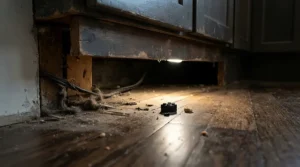
Cockroaches don’t hang about in the middle of your kitchen floor. They live in the two-millimetre gap behind the plinth, the dark void under the sink and the hairline split where the skirting board meets the wall. That’s why a cockroach spray for cracks and crevices is a different beast from the all-purpose bug can you grab for a wasp. It’s built to be placed, not sprayed around.
Here’s what the packaging leaves out. A recent laboratory study by researchers at the University of Kentucky and Auburn University, reported by Pest Control Technology, found that pyrethroid sprays killed fewer than 20 percent of field-collected German cockroaches during a 30-minute exposure. Performance was worst on painted drywall. The researchers pointed to gel and liquid baits as the more promising DIY route.
So this guide does two jobs. It ranks seven real, UK-available sprays and explains what each does well. It also tells you where sprays stop working, so you don’t spend a month hoping a can will do a baiting job. Along the way we cover residual insecticide chemistry, why a pyrethroid based formula matters, how skirting boards change the game, and whether an extension nozzle applicator is worth chasing.
None of the products below were lab-tested by me. The analysis rests on label data, manufacturer information and published review sentiment, and I say plainly when a review pool is too thin to trust.
Quick Comparison: Cockroach Spray for Cracks and Crevices at a Glance
Start here if you want the shape of the market in thirty seconds. The “key actives” column comes from retailer listings and manufacturer pages, and formulations can change between batches. Always read the label on the product you actually receive.
| Product | Format | Key actives (check your label) | Brand-claimed protection | Best For |
|---|---|---|---|---|
| Rentokil Insectrol Insect Killer Spray | 300ml aerosol | Pyrethroid blend (varies by can) | “Long-lasting”, no fixed period | Fast knockdown in awkward gaps |
| Raid Ant & Cockroach Killer | 300ml aerosol | Cypermethrin + imiprothrin | Up to 4 weeks | Budget spot treatment |
| Zero In Ant & Crawling Insect Killer | 300ml aerosol | Permethrin + tetramethrin + PBO | Up to 4 weeks | Low-cost cupboard stock |
| Zero In Anti-Bacterial Ant & Cockroach Killer | 500ml trigger | Cypermethrin + benzalkonium chloride | Not stated | Larger areas on a budget |
| NOPE! CP Cockroach Killer Spray | 500ml trigger | Cypermethrin 0.1% + benzalkonium chloride 0.1% | Up to 3 months | Longer residual on hard surfaces |
| Pest Expert Formula C+ Advanced Cockroach Killer Spray | 1L or 5L water-based | Triple-action, includes a growth regulator | Up to 12 weeks | Whole-room, low-odour treatment |
| Vitax Nippon Ant Killer Ready To Use Spray | 750ml trigger | Cypermethrin | Not stated | Light all-rounder |
Read the table as a map, not a podium. The two supermarket aerosols, Raid Ant & Cockroach Killer and Zero In Ant & Crawling Insect Killer, are the cheapest ways to get a pyrethroid into a gap today. NOPE! CP Cockroach Killer Spray and Pest Expert Formula C+ Advanced Cockroach Killer Spray trade a few extra pounds for a longer claimed residual. Nearly every row shares the same chemical family, so the real choice is about format, coverage and how long the product claims to keep working.
💬 Just one click — help others make better buying decisions too!😊
What Is Cockroach Spray for Cracks and Crevices?
Cockroach spray for cracks and crevices is an insecticide applied in small, targeted amounts into the gaps where cockroaches shelter, such as behind skirting boards, under appliances and around pipework. It leaves a residual insecticide film that roaches pick up as they walk across it, killing them hours or days later rather than instantly.
That last bit is the “residual” part. A contact killer works only on the insect you hit. A residual insecticide stays active on a surface for a claimed period, anywhere from about four weeks on most supermarket aerosols to twelve weeks on the longest-lasting products here.
Why gaps? Cockroaches have small, flat bodies that slip through the tiniest cracks in walls, floors and skirting. In the UK you’re most likely to meet the German cockroach, the country’s most common species, which favours damp kitchens and bathrooms. The Oriental cockroach is big, dark and tends to arrive through drains. American and brown-banded cockroaches turn up less often, usually near hot pipework or in drier upstairs spaces.
The practical upshot is that you aim the product at where roaches rest, not at where you happen to see them. Spotting one in the open usually means the hiding places are already full.
Top 7 Cockroach Spray for Cracks and Crevices: Expert Analysis
Each entry below covers what the specs mean in practice, who it suits, what real reviewers say where a genuine sample exists, and where it falls short. Where I couldn’t verify a meaningful review pool, I say so rather than invent one.
1. Rentokil Insectrol Insect Killer Spray — fast knockdown for awkward gaps
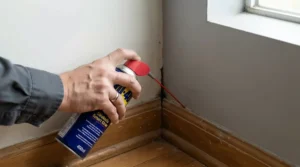
The pressurised can is the headline here. Aerosol propellant pushes mist into voids a trigger bottle can’t reach. Rentokil’s UK product page lists cyphenothrin and 1R-trans phenothrin for its current 300ml and 600ml cans, though older retailer listings quote other pyrethroid blends, so read your own label. The instruction is to spray from about 20cm for two seconds into the crack and re-spray as needed. That’s a dosing hint in disguise: short bursts into each gap, not a soaking.
On paper this is the “emergency” pick. It suits tenants who need to knock back visible activity quickly and treat gap edges around the sink and cooker. The catch is that no fixed residual period is stated, so you can’t plan a re-treatment calendar around it.
Reviewers on retailer listings consistently praise the speed of kill. One described German nymphs dying within seconds. Fast contact kill says nothing about whether the colony behind the wall is affected, though.
Pros:
- ✅ Pressurised mist reaches deep, narrow voids
- ✅ Clear technique: 20cm, two seconds
- ✅ Frequently praised for rapid knockdown
Cons:
- ❌ No stated residual period to plan around
- ❌ Actives differ between can sizes and batches
Expect roughly £5-£9 for a 300ml can depending on retailer. As a first-response can it’s good value, but it shouldn’t be your whole plan.

2. Raid Ant & Cockroach Killer — dependable supermarket-shelf spot treatment
Listings give cypermethrin 0.092% and imiprothrin 0.092% as the actives. Imiprothrin is typically used for rapid knockdown, while cypermethrin is the longer-lasting partner. That pairing is why the can claims both quick kills and up to four weeks of protection. The label tells you to spray only onto surfaces and carries a solvent-abuse warning, which is standard for aerosols but worth heeding in a poorly ventilated kitchen.
Based on the spec sheet, this is the sensible pick for a first sighting, a spare can for the cupboard, or a small flat with a single trouble spot. The 300ml size means it empties quickly if you try to treat a whole room.
Review evidence is thin. One retail shopper praised single-spray results, and a supermarket listing shows a perfect score from a single rating. That’s an anecdote, not a trend.
Pros:
- ✅ Two pyrethroids for knockdown plus residual
- ✅ Easy to find in UK supermarkets
- ✅ Claimed protection of up to four weeks
Cons:
- ❌ Small can runs out on larger jobs
- ❌ No extension tube mentioned in listings reviewed
Budget around £4-£6. Verdict: good value for spot work, modest for anything bigger.
3. Zero In Ant & Crawling Insect Killer — cheap, with a synergist in the mix
This one lists permethrin, tetramethrin and piperonyl butoxide (PBO). PBO is a synergist that helps block the enzymes insects use to break pyrethroids down. That can help against metabolic resistance. It can’t rescue a spray against target-site (genetic) resistance, which is common in German cockroaches. So think of PBO as a bonus rather than a guarantee.
The brand claims up to four weeks of protection and lists cockroaches, woodlice and earwigs among its targets. It suits people who want a cheap crawling-insect can to have on standby.
I couldn’t verify a robust review sample for this exact can. Its sibling, Zero In Total Insect Killer, has several thousand ratings averaging around four out of five on Amazon mirrors. That’s a different product aimed mainly at flying insects, so treat it only as a loose brand signal.
Pros:
- ✅ Includes a PBO synergist
- ✅ Low price per can
- ✅ Targets a broad range of crawling insects
Cons:
- ❌ Short claimed residual window
- ❌ No verified review pool for this exact can
Prices sit in low single-digit pounds, so check the current price. Verdict: a sensible shelf filler, not a standalone solution.
4. Zero In Anti-Bacterial Ant & Cockroach Killer — water-based trigger with a sanitising twist
At 500ml in a trigger bottle, this is built for surfaces rather than deep voids. The listing describes a water-based, solvent-free, odourless formula with cypermethrin and benzalkonium chloride, a disinfectant. The anti-bacterial angle makes sense because cockroaches carry bacteria, but the disinfectant only works on what it touches. Don’t read it as a hygiene fix.
The odourless, water-based formula suits households that dislike the chemical tang of aerosols. It also works well along skirting-board edges, window sills and under-sink cabinet floors. Note the shared formulation family with NOPE! CP Cockroach Killer Spray: same two active types, different pack, different price. Check the percentages on your bottle, because I couldn’t verify them.
I found no verified review sample worth summarising.
Pros:
- ✅ Larger 500ml bottle for the money
- ✅ Water-based with low odour
- ✅ Hits ants, woodlice and silverfish too
Cons:
- ❌ Trigger spray can’t reach deep voids
- ❌ No stated residual duration
Expect roughly £4-£8. If your budget is tight and the job is surface-level, it’s good value.
5. NOPE! CP Cockroach Killer Spray — three months claimed, with an HSE number
This is the best-documented product in the line-up. The technical data sheet gives HSE No. 10815, cypermethrin 0.1% plus benzalkonium chloride 0.1%, a 24-month shelf life, and a coverage guide of 10-20 m² per 500ml at 25-50ml per square metre. That dose is a wet-surface dose. So this is a surface-and-edge product rather than a pinpoint crevice injector. Retail listings say up to three months of surface protection and note it shouldn’t be used on food-contact surfaces.
I’d choose it for tenants or owners who want a defined application rate and a longer claimed window on hard surfaces. Apply along crevice edges, behind appliances and around pipe entries.
Review depth is thin. I couldn’t verify a meaningful independent sample, so I won’t characterise customer opinion.
Pros:
- ✅ HSE registration number printed and verifiable
- ✅ Up to three months claimed protection
- ✅ Published application and coverage rates
Cons:
- ❌ Costs more per millilitre than supermarket cans
- ❌ Wet-surface dose, not a pinpoint injector
Budget roughly £13-£15 for 500ml. Verdict: strong value if the three-month claim holds on your surfaces.
6. Pest Expert Formula C+ Advanced Cockroach Killer Spray — long residual, low odour
The brand claims up to 12 weeks of control from a water-based, low-odour, non-staining formula. It describes triple-action chemistry that includes an insect growth regulator and a pyrethrum-type extract. The 1L bottle claims coverage up to 50 m², and the 5L canister up to 250 m², and the 5L listing includes a trigger hose sprayer. Keep children and pets out until surfaces are dry, which the brand puts at two to three hours.
The growth regulator is the interesting part. Sprays struggle against eggs protected inside egg cases, so something that interferes with nymphs maturing is a logical addition. The caveat is that this claim rests on the brand’s own description. Check the label for the exact active split.
Third-party mirrors of the Amazon UK 5L listing showed roughly four out of five stars from a few dozen ratings. That’s encouraging but a small sample.
Pros:
- ✅ Longest claimed residual here, up to 12 weeks
- ✅ Water-based, low-odour and non-staining
- ✅ Growth regulator targets nymph development
Cons:
- ❌ Needs a separate tool for true crevice work
- ❌ Growth-regulator claim is brand-sourced
The 5L canister sat in the low-£30s range direct from the brand at the time of research, with smaller bottles cheaper. Check current price. Verdict: best value for treating a whole property over time.
7. Vitax Nippon Ant Killer Ready To Use Spray — a light all-rounder
This 750ml water-based trigger spray is built on cypermethrin. Listings say it’s for ants, cockroaches, fleas, bed bugs and other crawling insects on hard surfaces, soft furnishings and pet bedding, applied directly or as a residual on non-absorbent surfaces. That “non-absorbent” qualifier is the catch. Raw plaster and porous painted skirting may soak residue up, which is the same issue the Kentucky and Auburn researchers flagged on drywall.
The big bottle makes it handy for a household that wants one spray for several pests. The ant-first branding means cockroach-specific dosing guidance is thinner than on NOPE! CP Cockroach Killer Spray or Pest Expert Formula C+ Advanced Cockroach Killer Spray.
I couldn’t verify a robust review sample, so I’m not summarising opinion.
Pros:
- ✅ Generous 750ml bottle
- ✅ Water-based trigger, easy to apply
- ✅ Covers multiple crawling pests
Cons:
- ❌ Ant-first branding, thinner roach guidance
- ❌ No stated residual period
Expect roughly £8-£11. Verdict: a decent generalist, but not the one I’d pick for a serious roach problem.
Top 7 Side by Side
| Product | Size and format | Price range | Residual claim | Best For |
|---|---|---|---|---|
| Rentokil Insectrol Insect Killer Spray | 300ml aerosol | £5-£9 | Not stated | Emergency knockdown |
| Raid Ant & Cockroach Killer | 300ml aerosol | £4-£6 | Up to 4 weeks | Quick spot jobs |
| Zero In Ant & Crawling Insect Killer | 300ml aerosol | Low single digits | Up to 4 weeks | Cheap standby |
| Zero In Anti-Bacterial Ant & Cockroach Killer | 500ml trigger | £4-£8 | Not stated | Surface treatment on a budget |
| NOPE! CP Cockroach Killer Spray | 500ml trigger | £13-£15 | Up to 3 months | Hard-surface barrier |
| Pest Expert Formula C+ Advanced Cockroach Killer Spray | 1L or 5L | Varies by size | Up to 12 weeks | Whole-property treatment |
| Vitax Nippon Ant Killer Ready To Use Spray | 750ml trigger | £8-£11 | Not stated | Multi-pest household use |
The aerosols suit quick, targeted work. The trigger bottles suit larger surfaces and longer claimed protection. If I had to split the field, I’d reach for Rentokil Insectrol Insect Killer Spray for emergencies, NOPE! CP Cockroach Killer Spray for a documented three-month surface barrier, and Pest Expert Formula C+ Advanced Cockroach Killer Spray for bigger properties.
How to Choose Cockroach Spray for Cracks and Crevices
Picking well takes five minutes and saves weeks of frustration. Work through these steps in order.
- Confirm the species. German cockroaches shelter in warm, damp kitchens and bathrooms, while Oriental ones come up from drains. Species changes where you spray.
- Decide on aerosol or trigger. Aerosols push product into narrow voids. Triggers treat edges, sills and cabinet floors more economically.
- Check the residual claim honestly. Four weeks means a diary reminder, while twelve weeks means fewer re-treatments but a bigger upfront outlay.
- Look for an HSE number on the label. Registered consumer products carry one, as NOPE! CP Cockroach Killer Spray does. Skip anything described as professional-only.
- Think about your household. Odour, pets and children all matter. Water-based sprays like Pest Expert Formula C+ Advanced Cockroach Killer Spray are lower-odour, but still need drying time.
- Plan the partner products. A spray rarely works alone, so budget for a gel bait, sealant and monitoring traps.
- Decide whether you need a crevice tool. If a product ships without a narrow tube, you’ll need to buy or improvise one.
Most buying mistakes come from skipping step three or step six.
Pyrethroid Based Formula: What It Does (and Doesn’t) Do
Nearly every product here relies on a pyrethroid based formula. Pyrethroids are synthetic cousins of the natural insecticide in chrysanthemums. They act fast on the nervous system, they’re relatively cheap, and they’re easy to formulate into sprays. Cypermethrin, permethrin, tetramethrin and imiprothrin all fall in this family.
The problem is resistance. UK researchers at the Central Science Laboratory tested London-collected German cockroach strains for resistance to pyrethroids and other insecticide classes after reported control failures. The Kentucky team behind the more recent study said a pyrethroid-susceptible German cockroach population hasn’t been documented in the field for decades. They also found that resistant roaches won’t linger on pyrethroid-treated surfaces if they have a choice.
What does that mean for you? Three things, based on the evidence.
First, a pyrethroid spray can still knock down roaches it directly hits, as the speed-of-kill reviews suggest. Second, as a residual insecticide on skirting boards it may do less than its label implies against established German cockroach colonies. Third, products with a synergist (PBO) or a growth regulator, like Zero In Ant & Crawling Insect Killer and Pest Expert Formula C+ Advanced Cockroach Killer Spray, address parts of the problem, though only a good bait programme tackles the colony.
None of that makes these sprays useless. It means you should deploy them as one layer, which brings us to baits and application.
Residual Cockroach Spray for Skirting Boards: Realistic Expectations
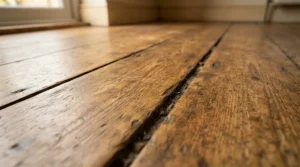
Skirting boards are the cockroach motorway. They run along every wall and hide a gap at the back, the top and the corners. That makes a residual cockroach spray for skirting boards an obvious idea, and a partly flawed one.
The flaw is surface. The Kentucky and Auburn study found sprays performed significantly worse on painted drywall than on tile or stainless steel, and even susceptible roaches were minimally affected there. Painted plaster, MDF and wood all soak product up to a degree. So spraying the painted face of a board is the weakest option available.
Better approach, based on the spec comparison and the study:
- Aim at the gap behind and beneath the board, not the front face.
- Concentrate on corners, joins, pipe entries and boards behind the cooker and fridge.
- Prefer a product built for non-absorbent surfaces on tiles, vinyl and sealed wood.
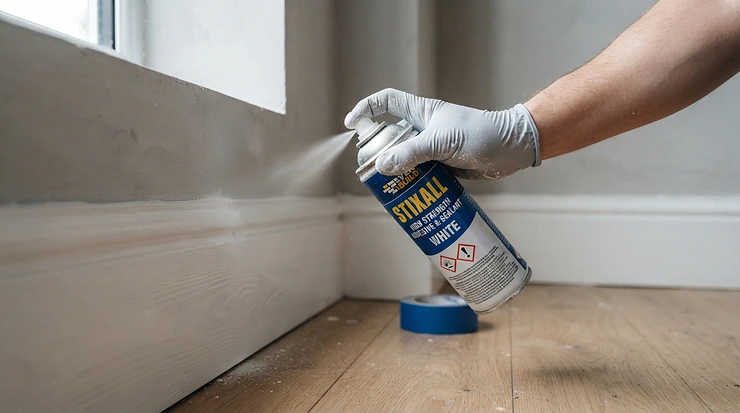
- Seal gaps afterwards so insects don’t re-enter, and so you aren’t relying on residue alone.
Of the seven, NOPE! CP Cockroach Killer Spray and Pest Expert Formula C+ Advanced Cockroach Killer Spray have the longest claimed windows for edge work. Rentokil Insectrol Insect Killer Spray can push mist behind a loose board where a trigger can’t.
Treat the stated protection period as the best case on a clean, non-porous surface. On painted skirting, plan to re-check sooner than the label suggests.
Extension Nozzle Applicator: Getting Spray Into the Gap
An extension nozzle applicator is the thin straw or tube that turns a wide spray into a precise jet. For cracks and crevices it’s the difference between putting product inside the gap and coating the room around it. Less overspray also means less residue on surfaces you touch, which is better for pets and children.
Here’s the honest bit. I could not verify a bundled extension tube on any of the seven products as sold in the UK. Retailer descriptions for Raid Ant & Cockroach Killer and Rentokil Insectrol Insect Killer Spray talk about directing the can into cracks, not about a straw. The 5L Pest Expert Formula C+ Advanced Cockroach Killer Spray listing mentions a free trigger hose sprayer, which is a different tool. Check each listing for “straw”, “extension tube” or “applicator” before you buy.
If you don’t get one, you have options. Rentokil’s own cockroach DIY guidance describes spraying into cracks and crevices where insects are seen. Pest controllers typically use a sprayer with a fine lance or crevice tip for the same reason. For electrical sockets and sensitive spots, Pest Expert says its Pest Expert Formula P powder puffer suits areas where a spray isn’t appropriate.
A narrow applicator also stops you soaking soft furnishings, which several labels warn against. If a product is a trigger bottle, use it for edges and let a separate tool handle depth.
Crack and Crevice Roach Killer Spray vs Gel Baits
The most useful comparison isn’t spray against spray. It’s spray against the alternatives. A crack and crevice roach killer spray works by contact and residue, while gel baits work by being eaten and carried back to the colony.
| Method | How it works | Strength | Weakness | Best For |
|---|---|---|---|---|
| Residual spray | Contact and surface residue | Fast kill, covers gaps | Resistance, porous surfaces | NOPE! CP Cockroach Killer Spray as a barrier |
| Gel or liquid bait | Eaten, then spreads in the colony | Targets hidden populations | Slower, needs placement | Established German cockroach colonies |
| Powder or dust | Picked up, lasts in dry voids | Works in sockets and dry gaps | Messy if overapplied | Pest Expert Formula P puffer areas |
Looking at the comparison, sprays win on speed and immediate gratification, while baits win on reaching the roaches you never see. The Kentucky and Auburn researcher quoted in the trade report said gel or liquid baits were the more promising DIY option. A sensible plan uses Rentokil Insectrol Insect Killer Spray or Raid Ant & Cockroach Killer to cut visible numbers, with bait doing the colony work.
One practical rule: keep spray away from places where you’ve put bait, so you don’t contaminate or deter feeding.
Long-Term Cost & Value: What a Treatment Really Costs
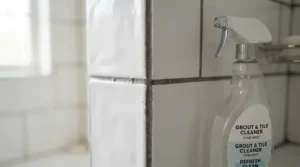
Per-can price tells you very little. Coverage and claimed protection tell you much more. Here’s a rough value view using labelled claims. They are claims, not proven performance.
| Product | Price range | Claimed window | Rough cost per claimed week |
|---|---|---|---|
| Raid Ant & Cockroach Killer | £4-£6 | Up to 4 weeks | About £1-£1.50 |
| NOPE! CP Cockroach Killer Spray | £13-£15 | Up to 3 months | About £1.10-£1.25 |
| Pest Expert Formula C+ Advanced Cockroach Killer Spray | Varies by size | Up to 12 weeks | Check current price |
On the arithmetic, a longer-lasting bottle can cost about the same per claimed week as a cheap can, while covering much more area and needing fewer re-treatments. NOPE! CP Cockroach Killer Spray works out at around £1.10-£1.25 per claimed week, comparable to Raid Ant & Cockroach Killer, but its coverage guide of 10-20 m² per 500ml is much more generous than what a 300ml aerosol can treat.
The catch is that claimed windows assume suitable surfaces and no resistance. If you’re dealing with an established German cockroach infestation, a professional treatment might cost more upfront but save repeated purchases. Factor in sealant, traps and bait too. That support kit often costs more than the spray.
Practical Usage Guide: Treat Cracks and Crevices Step by Step
A good product applied badly loses to a mediocre one applied well. Here’s a routine you can follow.
- Inspect with a torch. Check behind the fridge, under the sink, around the boiler and along skirting boards. Droppings look like small pellets or smears, and egg cases stick to the backs of furniture.
- Clean and dry. Remove food debris, grease and crumbs. Fix drips, because standing water attracts roaches.
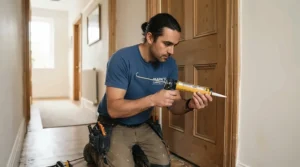
- Seal what you can. Plug gaps around pipes and cable runs after treatment, so insects can’t re-enter.
- Apply sparingly. For aerosols like Rentokil Insectrol Insect Killer Spray, use the label technique of about 20cm for two seconds into each gap. For triggers, treat edges and hard surfaces rather than soaking.
- Keep people and pets away until dry. Water-based products such as Pest Expert Formula C+ Advanced Cockroach Killer Spray give a two-to-three-hour guide.
- Monitor. Place sticky traps along runs to judge activity.
- Re-treat per the label. Don’t improvise a schedule.
Common mistakes in the first 30 days:
- Spraying right over gel bait.
- Soaking soft furnishings.
- Using professional-only products.
- Skipping sealant.
- Declaring victory after the first dead roach.
A final tip: write the application date on masking tape on the can. In a month, you won’t remember when you last treated.
Real-World Scenarios: Matching Products to Your Home
These are hypothetical profiles built from the spec and label evidence, not personal anecdotes.
The ground-floor renter. Imagine a flat with an old kitchen, a landlord who’s slow to respond, and German cockroaches behind the plinth. Budget is tight and use is weekly. Start with Raid Ant & Cockroach Killer for visible activity, add NOPE! CP Cockroach Killer Spray along hard-surface edges, and ask the landlord about professional treatment if activity continues after a few weeks.
The family home with a toddler and a cat. Odour and exposure matter here. Water-based options like Pest Expert Formula C+ Advanced Cockroach Killer Spray or Zero In Anti-Bacterial Ant & Cockroach Killer suit better than solvent aerosols. Keep everyone out of the room until surfaces are dry, and read the label’s pet guidance. Permethrin-type ingredients are widely noted as hazardous to cats, so check before you buy.
The small café. Commercial premises have different legal duties and higher stakes. Food-contact surface warnings on labels like NOPE! CP Cockroach Killer Spray matter, and professionals use products consumers shouldn’t. I’d go straight to a qualified pest controller.
Each scenario shows the same logic: the right choice depends on surfaces, people and how established the infestation is.
Safety, Regulations and Pets: Using Biocides the UK Way
In Great Britain, pest sprays are regulated as biocides. HSE’s guidance on using biocides says you must read and understand the label and follow its instructions carefully. It also says members of the public should never use products intended only for professionals, and that non-professionals should consider calling a pest controller first.
That matters because some of the most effective products aren’t for sale to you. BASF’s Fendona 6 SC, for example, is labelled for use only indoors by professionals, with German cockroach crack and crevice treatment listed in its label. Don’t try to buy a workaround.
Practical safety points that apply across the seven:
- Look for the HSE number and the “use biocides safely” statement.
- Keep children and pets out until treated surfaces dry.
- Avoid food-contact surfaces, as NOPE! CP Cockroach Killer Spray instructs.
- Be careful around aquariums and drains. Pyrethroid labels commonly warn of toxicity to aquatic life.
- Treat aerosols as flammable, and keep them away from heat and naked flames.
Storing products out of reach and disposing of empties responsibly is part of the job too.
FAQ
❓ How long does a residual cockroach spray last on skirting boards?
❓ Is a pyrethroid based formula safe to use around cats?
❓ Do I need an extension nozzle applicator for cockroach spray?
❓ Can I use cockroach spray on kitchen worktops?
❓ When should I call a pest controller instead of buying spray?
Conclusion
The best cockroach spray for cracks and crevices is the one that matches your gaps, your surfaces and your household, and then gets used as one part of a wider plan. Rentokil Insectrol Insect Killer Spray is the strongest emergency can for awkward voids. Raid Ant & Cockroach Killer and Zero In Ant & Crawling Insect Killer are the budget options for light jobs. NOPE! CP Cockroach Killer Spray gives the clearest documentation and a three-month surface claim, while Pest Expert Formula C+ Advanced Cockroach Killer Spray offers the longest claimed window for bigger jobs. Zero In Anti-Bacterial Ant & Cockroach Killer and Vitax Nippon Ant Killer Ready To Use Spray round things out for larger, lighter surface work.
The honest caveat stands. Pyrethroid sprays can knock down what they hit, but research suggests they’re weaker as a residual insecticide against established German cockroach colonies, especially on painted skirting. Pair your spray with bait, seal the gaps and keep the kitchen dry. If problems persist, bring in a professional.
Recommended for You
- Cockroach Bait Stations For Rental Flats: 7 Smart Picks (2026)
- Cockroach Gel Bait For Kitchen Infestations: 7 Proven Picks (2026)
- Tumble Dryer Vent Cover To Stop Mice: 7 Smart Picks (2026)
Disclaimer: This article contains affiliate links. As an Amazon Associate, I earn from qualifying purchases. If you purchase products through these links, we may earn a small commission at no additional cost to you.
✨ Found this helpful? Share it with your friends! 💬🤗
