
In This Article
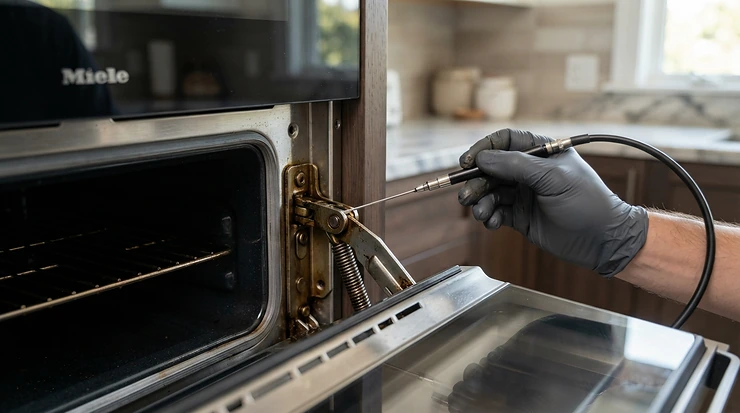
Cockroach gel bait for kitchen infestations is a slow-acting insecticidal paste, applied in tiny dots to cracks, hinges and voids where roaches shelter. Cockroaches eat it, retreat to their harbourage and die there. Others in the group can then be affected through contact with droppings or bodies. It targets the colony, not just the runner you spotted at midnight.
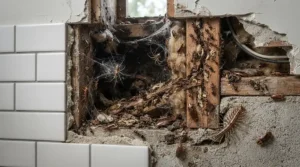
Kitchens are roach paradise: warm motors, crumbs, damp plinths and a thousand dark gaps. If you’ve seen one in daylight, assume the iceberg is below the waterline. The University of Florida’s extension guidance rates baiting, insect growth regulators and HEPA vacuuming as the most effective suppression tools for the German cockroach. That is the species widely reported as the usual culprit in UK kitchens too. That’s the case for cockroach gel bait for kitchen infestations in a sentence: it goes where sprays can’t, and it keeps working while you sleep.
Here’s how this guide works. I haven’t tested these products and won’t pretend otherwise. Everything below comes from specifications, manufacturer and trade data, published entomology research, and aggregated review information I could verify. One awkward UK truth shapes the whole list. Many of the best gels are legally restricted to professionals, so each pick is flagged for who can actually use it.
Quick Comparison of Cockroach Gel Bait for Kitchen Infestations
| Product | Active (as listed) | Pack | UK access | Best For |
|---|---|---|---|---|
| Pest Expert Formula IC Cockroach Killer Gel | Imidacloprid | 6 x 10g syringes | Listed to the public on Amazon UK; check label | First-time householders |
| Big D Cockroach Syringe Gel Bait | Imidacloprid 2.15% + Bitrex | 25g syringe | UK consumer brand; confirm listing | One-room spot jobs |
| Pest Tech Gel Cockroach Gel | Unclear on listing | 60ml | Amazon UK listing; check label | Bargain hunters who read labels |
| Advion Cockroach Gel Bait | Indoxacarb 0.6% | 4 x 30g | Professional channel; imports vary | Benchmark / hired pros |
| Optigard Cockroach Gel | Emamectin benzoate | Listed 4 fl oz | Import listing; check authorisation | Rotation when others stall |
| Maxforce Platin | Clothianidin | 4 x 30g | Professional operators only | Commercial kitchens |
| Vendetta Plus Cockroach Gel Bait | Not stated on listing | 4 x 30g | Import; UK status unclear | Suspected bait-averse roaches |
Read the table as a legal map first and a performance chart second. Only the first three are realistic for householders. Advion, Optigard, Maxforce Platin and Vendetta Plus show what the trade uses, and they’re useful if you hire someone and want to ask intelligent questions. If you’re buying for yourself, start with Pest Expert Formula IC or Big D, and treat Pest Tech Gel with careful label-reading.
💬 Just one click — help others make better buying decisions too!😊
Top 7 Picks: Cockroach Gel Bait for Kitchen Infestations Analysed
Three of these suit householders; four are professional-grade benchmarks. Availability on amazon.co.uk shifts, and marketplace import listings come and go, so check the live listing and the label before you commit.
1. Pest Expert Formula IC Cockroach Killer Gel — six syringes for multi-room coverage
Six small syringes beat one big tube in a typical UK home. One lives in the kitchen, one goes to the bathroom, and you’ve still got spares. Each 10g syringe holds imidacloprid and ships with a ready-to-use applicator, per the listing, so there’s no bait gun to buy. The maker claims fast knockdown after ingestion plus a domino-style secondary kill. If that holds to the label, it’s exactly what you want for roaches hiding out of sight.
On paper this is the most beginner-friendly option here: low commitment, a familiar active, a UK retailer. One caution: the maker’s own site describes the gel in professional-use terms, so read the label on the pack that arrives and use it only as directed. I could only verify a small number of reviews on mirrored listings, so I won’t characterise sentiment; check the live review count before buying.
Pros:
- ✅ Six syringes spread across several rooms
- ✅ Applicator included, no bait gun needed
- ✅ Maker claims rapid knockdown and secondary kill
Cons:
- ❌ Small 10g syringes empty fast in heavy infestations
- ❌ Verified review depth is thin
Price: check current price on Amazon, as it varies by seller; for a starter kit the value looks sensible.
2. Big D Cockroach Syringe Gel Bait — British-made precision syringe
Big D is a long-established British household brand, and its syringe suits tight, awkward gaps. The 25g syringe carries imidacloprid at 2.15% plus Bitrex at 0.008%. Bitrex is a bittering agent added to discourage accidental swallowing, which matters in a home with toddlers or curious pets. Retail copy describes the gel as odourless and built for hard-to-reach spots.
For a single kitchen this is a tidy, low-fuss choice. It’s a cockroach gel bait syringe for cracks that you’ll actually finish using, rather than a trade-sized pack going stale in a cupboard. I couldn’t verify review counts or ratings, so I won’t invent any; check the live listing, and confirm it’s currently stocked on Amazon UK.
Pros:
- ✅ Bitter deterrent aids household safety
- ✅ UK-made brand with familiar labelling
- ✅ Precise syringe suits narrow gaps
Cons:
- ❌ Single 25g syringe may not cover a flat
- ❌ No verifiable review data found
Price: retail listings I found converted to well under £10; UK prices vary, so check current price. Good value for a one-room job.
3. Pest Tech Gel Cockroach Gel — high-volume bestseller with claims to scrutinise
Listing data captured during research showed roughly 4.3 out of 5 across about 510 reviews, and a rank of 19 in Cockroach Control at that moment. The 60ml syringe-style gel is marketed as six times full strength with up to six months’ protection, and as non-hazardous and chemical-free.
Be sceptical of that last claim. A bait that kills roaches works through a toxicant, so “chemical-free” is a marketing phrase, not a regulatory description. Look for the active ingredient and an authorisation number on the pack before using it in a food area. Reviewers on mirrored listings mention quick results, though at least one reports leaked gel on arrival.
Pros:
- ✅ Large review volume at time of research
- ✅ Syringe format suits small, precise dots
- ✅ Generous 60ml volume
Cons:
- ❌ Vague active-ingredient and “chemical-free” claims
- ❌ Occasional reports of leaking packaging
Price: check current price on Amazon; it’s a bargain only if the label stacks up.
4. Advion Cockroach Gel Bait — the industry benchmark
If gel baits had a reference standard, this would be it. The 4 x 30g pack (with plunger and two tips) uses indoxacarb at 0.6%, a non-repellent active. A BPCA feature on gel formulation says it is effective against all major UK species. The same article reports German cockroaches still feeding on placements left in situ for over twelve months. Syngenta claims one exposed cockroach can trigger a chain reaction affecting up to 54 others.
The catch is access. In the UK it’s sold through the professional channel, and BPCA has warned pest controllers about counterfeit product outside the authorised network. A cheap marketplace listing should therefore raise eyebrows. US listings show about 4.6 out of 5 across tens of thousands of reviews. Reviewers report results within days, and the usual complaint is that roaches linger before the bait kicks in.
Pros:
- ✅ Strong UK trade pedigree
- ✅ Palatable for months, per BPCA trial account
- ✅ Targets all major UK species
Cons:
- ❌ Professional-channel product in the UK
- ❌ Counterfeit risk from unofficial sellers
Price: US retail sits in the mid-$20s, and UK import pricing varies; check current price. Brilliant value if a professional applies it.
5. Optigard Cockroach Gel — the rotation specialist
Optigard uses emamectin benzoate, a different mode of action from most gels, which is why trade guidance favours it in rotation. Syngenta’s IPM guidance suggests rotating products over 90 days to manage resistance and bait aversion. A manufacturer technical bulletin also reports it outperforming a rival gel in an apartment-complex trial, which is supplier data, so weigh it accordingly.
For a householder this is a second-line choice. It makes sense when the first gel stalls and a pro wants to switch actives. A UK-facing import listing showed around £40 with only nine reviews, so there’s little verifiable review sentiment.
Pros:
- ✅ Different active from typical gels
- ✅ Fits 90-day rotation programmes
- ✅ Manufacturer trial data available
Cons:
- ❌ Premium price for an import
- ❌ Very limited review data
Price: around £40 at the time of research. Reasonable if you need a rotation partner, otherwise skippable.
6. Maxforce Platin — professional-grade for commercial kitchens
Platin is clothianidin-based and listed for cockroaches (nymphs and adults) and silverfish. Trade copy highlights a feeding stimulant, a domino effect through secondary poisoning, and heat tolerance up to 54°C. That last point makes it a strong candidate for warm cavities near ovens and fryers. Trade guidance suggests roughly one spot per metre.
The label is blunt: professional operators only, indoor use only. Householders shouldn’t buy it. The value of knowing it exists is practical. If a contractor quotes for your café or flat, asking which gel they’ll use is perfectly reasonable. Verifiable independent reviews were negligible, so I can’t characterise buyer sentiment.
Pros:
- ✅ Built for commercial-kitchen conditions
- ✅ Covers nymphs, adults and silverfish
- ✅ Heat-tolerant, per trade listing
Cons:
- ❌ Not legally usable by the public
- ❌ Costly four-tube trade pack
Price: well over £100 per four-tube pack through trade suppliers. Strong value only in professional hands.
7. Vendetta Plus Cockroach Gel Bait — built for bait-averse populations
The listing’s headline promise is control of bait-averse German roaches, in a heat-stable, non-runny, odourless gel that fits standard bait guns. Non-runny matters. Gel that slumps in a warm gap behind a fridge is wasted, so a stay-put formula is a sensible match for roach gel bait for behind appliances. The listing excerpt I saw didn’t state the active ingredient, so confirm that on the pack.
It’s a US-market product, and UK authorisation status is unclear. That makes it more of a “know your options” entry than a householder recommendation. I couldn’t verify reviews, so none are quoted.
Pros:
- ✅ Positioned against bait-averse roaches
- ✅ Heat-stable, non-runny formula
- ✅ Fits standard bait guns
Cons:
- ❌ UK authorisation unclear
- ❌ Import premium and thin review data
Price: importer pricing varies, and expect a premium over domestic gels. Check current price.
How to Apply Cockroach Gel Bait Step by Step
Application beats product choice more often than people admit. A mediocre gel placed brilliantly will outperform a premium gel dabbed at random.
Before you open the syringe
Put sticky traps down for a few days. UF/IFAS calls them your “eyes”, and they reveal where the roaches actually travel. Then clean hard: grease, crumbs, pet bowls, damp cloths. Gel must be the tastiest thing on the menu.
Placement
- Apply small dots, roughly pea-to-lentil sized for most home gels, into hinges, plinth edges, drawer undersides and corners. Follow the dose on your label.
- Place dots near harbourage, out of light and out of reach, never on worktops.
- Use many small dots rather than a few big blobs. More feeding points means more chances for roaches to find one.
Maintenance schedule
Check dots after a week. Replace any that are dried, dirty or consumed. Keep traps down for at least a month, and keep cleaning. Avoid spraying near the dots, because repellents contaminate bait.
Common first-30-day mistakes
Treating once and stopping, moving the dots when roaches appear nearby (they’ll find them), and applying gel on top of grease. Be patient. A visible roach in week one often means the bait is working.
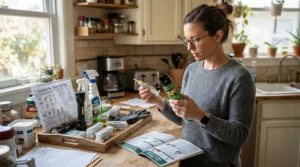
Roach Gel Bait for Behind Appliances: A Kitchen Case Study
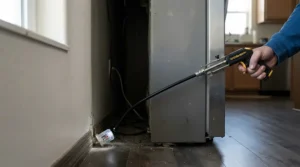
Behind the fridge, cooker and dishwasher is prime real estate: warm, dark, sheltered, and hard to clean. That’s why roach gel bait for behind appliances deserves its own plan. Here are three profiles.
The renter in a one-bed flat
Budget is tight and the landlord is slow. Pest Expert Formula IC gives you several syringes and an applicator. Switch appliances off and unplug them first, pull them out carefully, and place dots in adjacent crevices and plinth edges. Never apply gel onto electrical components.
The family with a toddler and a cat
Safety dominates. Big D has a bitter deterrent, and the plan is to keep dots inside voids and hinge cavities, not open surfaces. Place gel only in spots a child’s hand and a cat’s paw can’t reach, and keep pets out of the room for a short period after application.
The small café with a hot line
Heat and volume change everything. Heat-stable formulas like Maxforce Platin exist for this reason, but they’re for professional operators. A café should hire a qualified firm, ask which active they’ll use, and agree a follow-up schedule.
Across all three, notice the pattern: place near harbourage, minimise exposure, and match product to legal user.
Problem to Solution: When the Gel Isn’t Working
Problem: roaches ignore the gel. Suspect bait aversion (see below). Switch to a gel with a different active or matrix; Optigard and Vendetta Plus are positioned for exactly that.
Problem: dots dried out or got dusty. Replace them. Fresh dots are tastier and more visible to foraging roaches.
Problem: plenty of food elsewhere. Competing food reduces bait uptake. Seal bins, wash up nightly, remove crumbs under the toaster.
Problem: you sprayed too. Repellent residues near dots can deter feeding. Stop spraying around bait areas.
Problem: still seeing roaches after three to four weeks. That’s your cue to escalate to a qualified pest controller, as large or multi-room infestations rarely resolve from a shelf.
How to Choose Cockroach Gel Bait for Kitchen Infestations
- Confirm who can legally use it. Householders must stick to products authorised for the general public. A pack marked “professional operators only” isn’t yours to use.
- Check the active ingredient on the label. Listings can be vague; the pack isn’t. Knowing the active helps you rotate later.
- Match pack size to the job. Small syringes suit one kitchen; trade tubes suit pros.
- Prefer non-runny, heat-stable gels for warm voids. Slumping gel wastes bait.
- Weigh review volume against label honesty. Many reviews can’t rescue a product whose claims don’t survive scrutiny.
- Plan a rotation. Keeping a second active in reserve helps if the first stalls.
Cockroach Gel Bait Syringe for Cracks: Placement and Technique
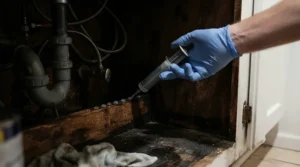
A cockroach gel bait syringe for cracks lives or dies by control of the plunger. Press gently, aim the tip into the gap, and pull back slightly as you release to avoid a stringy tail. If the gel is chilly, let it warm to room temperature; if it’s too runny, the gap is probably too warm or too large.
Think “dots, not lines” in open gaps, but “thin ribbons” in long cracks, like along a plinth join. Choose spots shielded from light and cleaning, because roaches treat bright open surfaces like a stage with a spotlight. Small syringes (10g to 25g) suit domestic use; 30g tubes are meant for bait guns used by pros.
One more thing: don’t overdo it. Excess gel isn’t extra effective, it’s just extra mess and extra exposure.
German Cockroach Nymphs: Why Gel Reaches the Hidden Population
Nymphs are the part of an infestation you rarely see. Published entomology research notes that early German cockroach nymphs stay close to the harbourage while stronger adults and older nymphs roam further. That’s why a bait that adults carry back matters. Small nymphs may be affected after contact with, or ingestion of, droppings from adults that fed on bait.
Spotting small, dark, wingless roaches in daylight suggests a crowded hideout. It often means the population has outgrown its shelter and is spilling out. Expect german cockroach nymphs to be the last to disappear, because they depend on indirect exposure. A gel that stays palatable for weeks helps, since nymphs hatch in waves. Keep monitoring traps down for a full month, not just a week.
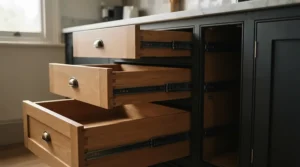
Bait Aversion: Why Some Kitchens Stop Responding
Bait aversion is the nightmare scenario. Glucose aversion in the German cockroach is a heritable behavioural trait, and a 2023 study in the Journal of Economic Entomology found that glucose-averse cockroaches reject foods containing glucose, even at low levels. Review research adds that olfactory learning and salivary enzymes can extend avoidance to other sugar-containing baits.
What does this mean in your kitchen? If gel dots sit untouched for weeks while roaches keep appearing, bait aversion is a possible explanation. The practical response is to rotate to a gel with a different active and a different bait matrix, and to tighten sanitation so there’s less competition. Products marketed against bait aversion, such as Vendetta Plus, exist for this problem, though independent performance data is limited. If rotation doesn’t help, it’s time for a professional assessment.
Secondary Kill Effect: How One Roach Poisons Its Hiding Place
The secondary kill effect is the gel bait’s party trick. A roach feeds, wanders home, and the toxicant moves onward through droppings, regurgitation or dead bodies. Research describes this mainly through coprophagy, and says it works especially well with slow-acting actives.
Be realistic, though. Researchers have demonstrated secondary kill in field populations, but its exact contribution to overall control hasn’t been fully quantified. Glucose-containing baits can also impede it in glucose-averse populations, because early nymphs may reject glucose-bearing droppings. That’s why trade copy for Pest Expert Formula IC and Maxforce Platin touts a domino effect, which is a promising claim but one you should treat as supportive, not guaranteed. Think of the secondary kill effect as bonus coverage, not your whole strategy. Cleaning, monitoring and correct placement still carry the load.
Cockroach Gel Bait vs Sprays and Foggers
| Method | Reaches hidden colony? | Kitchen suitability | Main drawback | Best For |
|---|---|---|---|---|
| Gel bait | Yes, via foraging and secondary kill | High: tiny, targeted dots | Slow to start | Established kitchen problems |
| Contact sprays | Rarely | Moderate | Treats surfaces only; can repel roaches from bait | Visible stragglers |
| Foggers | Poorly | Low (food areas) | Can scatter roaches into new rooms | Rarely recommended |
| Sticky traps | No | High | Monitoring, not control | Finding hotspots |
Gel wins on reach and tidiness, which is why it’s the centrepiece of this guide. Sprays treat what they land on, and the harbourage is rarely on the surface. Sticky traps are the perfect sidekick. Use them to see, and use gel to treat.
UK Safety, Regulations and Compliance Guide
The HSE’s guidance on using biocides says members of the public should only use biocidal products intended for the general public, sometimes labelled amateur or non-professional. It also says they must never use products intended only for professionals. That’s why Maxforce Platin, whose label says professional operators only, isn’t a householder buy.
Practical checks: look for an HSE or authorisation number on the label, follow dose and placement instructions exactly, and use gel only for its authorised purpose. Keep dots in crevices, never on food-preparation surfaces, and out of reach of children and pets. Trade bodies note some gels carry food-safety certification for specific kitchen zones, but that applies to professional use. If you rent, tell your landlord; if you run a food business, you’ll want documented professional treatment. When in doubt, hire a qualified pest controller.
Long-Term Cost and Maintenance
| Tier | Typical price range | Treats | Value note | Best For |
|---|---|---|---|---|
| Big D | Under £10 (retail listings seen) | One kitchen | Cheap, tidy starter | Renters, small jobs |
| Pest Expert Formula IC | Check current price | Several rooms | Good spread across rooms | Multi-room households |
| Optigard | Around £40 | Rotation use | Premium for a second active | Stalled infestations |
| Maxforce Platin | Over £100 per trade pack | Commercial scale | Professional only | Hired contractors |
Total cost of ownership is mostly about time. A £10 syringe used correctly beats a £40 tube dabbed randomly. Budget for repeat visits to refresh dots every few weeks and for monitoring traps. If a second round fails, the cheapest option is often a professional visit, because endless DIY gel purchases add up while the colony thrives. Think of the gel as one part of a system: sanitation, sealing gaps, monitoring, bait.
FAQ
❓ Can I buy cockroach gel in the UK without a pest-control qualification?
❓ How long does gel bait take to clear a kitchen?
❓ How many syringes do I need for one kitchen?
❓ Is gel bait safe around pets and children?
❓ Can I use gel bait and spray together?
Conclusion
Cockroach gel bait for kitchen infestations works because it plays the long game: small dots in the right gaps, a colony that carries the bait home, and a population that slowly collapses. It isn’t instant, and it isn’t magic, but done properly it’s the most sensible weapon for kitchens.
For householders, Pest Expert Formula IC offers multi-room coverage, Big D is a safe-minded one-room option, and Pest Tech Gel is a high-volume choice that demands label scrutiny. Advion, Optigard, Maxforce Platin and Vendetta Plus show what professionals reach for, and they’re worth asking about if you hire help. Remember the fundamentals: clean first, monitor with traps, place gel near harbourage, rotate if roaches ignore it, and call a pro when the problem outgrows the shelf.
🪳 Ready to reclaim your kitchen?
Click any highlighted product above to check current pricing and availability, read the label carefully, and start baiting smartly today! ✨
Recommended for You
- Tumble Dryer Vent Cover To Stop Mice: 7 Smart Picks (2026)
- Rodent-Proof Air Brick Cover: 7 Proven Picks For UK Homes (2026)
- Rat-Proof Pipe Collar For Waste Pipes: 7 Proven UK Fixes (2026)
Disclaimer: This article contains affiliate links. As an Amazon Associate, I earn from qualifying purchases. If you purchase products through these links, we may earn a small commission at no additional cost to you.
✨ Found this helpful? Share it with your friends! 💬🤗
