

In This Article
There’s a particular kind of dread that comes with opening a garden shed door and hearing that unmistakable scuttle in the dark. Mouse poison for garden shed use exists precisely for that moment — a way to reclaim your potting bench, your bike tyres, and your sanity from a rodent population that’s decided your shed is prime real estate. In simple terms, mouse poison for garden shed protection means an anticoagulant rodenticide bait, housed inside a tamper-resistant, weatherproof station, designed to eliminate mice living in or around outdoor buildings without putting children, pets, or wildlife at risk.
Sheds are, frankly, a five-star hotel for mice. They’re dark, they’re quiet, they’re full of cardboard boxes and bird seed, and nobody’s opened that back corner since last September. Add in a British winter’s worth of damp, and you’ve got the perfect breeding ground. This guide walks through seven real, currently available UK products — bait stations and refill bait alike — with honest commentary on what actually works, what the packaging doesn’t tell you, and how to use anticoagulant rodenticides responsibly around a garden building. Every product mentioned here is genuinely sold on amazon.co.uk at the time of writing, and every claim is grounded in real specifications and aggregated review sentiment — not invented testimonials.
Quick Comparison Table: Mouse Poison for Garden Shed at a Glance
Before diving into the full breakdown, here’s the shortlist. Prices fluctuate constantly on Amazon, so treat these as rough bands rather than gospel.
| Product | Type | Price Range | Best For |
|---|---|---|---|
| Roshield Compact Rodent Bait Stations | Empty station (4-pack) | under £25 | Budget multi-point setups |
| The Big Cheese Rat & Mouse Bait Station | Empty station | £10-£15 | All-round shed protection |
| Rentokil Mouse Bait Station | Empty station | £5-£10 | Trusted-brand reassurance |
| Pest Expert Heavy Duty Outdoor Bait Boxes | Empty station (4-pack) | £30-£45 | Large sheds and outbuildings |
| Roshield 300g Wax Block Bait | Bait refill | under £15 | Damp sheds on a tight budget |
What jumps out here is that a genuinely effective mouse poison for garden shed setup is really two purchases, not one — a station plus a bait. Buyers who grab the Rentokil Mouse Bait Station on its own and expect it to work straight out of the box will be disappointed, since it ships empty. Meanwhile, the Pest Expert Heavy Duty Outdoor Bait Boxes cost more per unit precisely because they’re built for the kind of large, draughty outbuilding where cheaper stations get knocked over or chewed through within a season.
💬 Just one click — help others make better buying decisions too! 😊
Top 7 Mouse Poison for Garden Shed Products: Expert Analysis
Seven real products, spanning budget stations to premium heavy-duty boxes and the bait refills that go inside them. Each entry includes genuine spec interpretation, an honest analytical take, and aggregated review sentiment where it’s verifiable.
1. Roshield Compact Rodent Bait Stations — best budget multi-point bundle
Four lockable stations for roughly the price of one premium single unit, and that arithmetic alone explains why this is a favourite starting point for shed owners. Each station is moulded from recycled plastic sourced from old car dashboards and bumpers — Roshield makes a point of manufacturing everything in the UK, which matters when you’re trying to source genuinely weatherproof gear rather than a flimsy import. The dual entry points and low-profile housing let mice approach from either side, and the supplied key satisfies the lockable requirement that UK product labels now demand.
Based on the spec comparison, four stations covering four separate entry points around a shed’s perimeter will consistently outperform one station placed in a single spot, simply because mice rarely commit to a single route in and out. That makes this bundle a sound pick for anyone tackling their first infestation without wanting to commit £40+ upfront. Verified customer feedback specific to this exact four-pack SKU was thin in our research, but the wider Roshield range attracts consistently positive sentiment for its lockable design and UK-recycled build quality across its other bait-box listings.
Pros:
- ✅ Four stations cover a whole shed perimeter at once
- ✅ UK-made from recycled car dashboard and bumper plastic
- ✅ Lockable key design meets current tamper-resistance rules
Cons:
- ❌ Bait is sold separately, adding to first-time cost
- ❌ Compact housing limits how much bait each station holds
Expect to pay under £25 for the pack. Given that you’re effectively buying four bait points for one modest outlay, this is difficult to beat on value for a first-time shed treatment.
2. The Big Cheese Rat & Mouse Bait Station — best all-rounder for outbuildings
The Big Cheese is arguably the most recognisable rodent-control brand on UK shelves, and this station is the reason why. Internal posts hold bait blocks, pasta, or sachets firmly in place, which sounds like a minor detail until you’ve dealt with a mouse dragging an entire bait block out into the open where a dog or hedgehog could find it. What most buyers overlook about this model is that its compatibility across bait formats means you’re never locked into one refill line — you can switch between block, pasta, or grain depending on what’s performing best in your particular shed.
The damp-proof, all-weather casing is built for exactly the conditions a British shed throws at it — condensation, driving rain through gaps in the door, the lot. Reviewers of the wider Big Cheese range consistently mention placing these stations directly inside garden sheds and outbuildings, with feedback generally landing on the positive side for ease of use, provided gloves are worn when handling the bait itself.
Pros:
- ✅ Internal posts stop mice dragging bait into the open
- ✅ Works with blocks, pasta, and sachets interchangeably
- ✅ Damp-proof housing suited to unheated, draughty sheds
Cons:
- ❌ Single-unit pricing adds up for multi-point baiting
- ❌ Bait must be purchased separately as a refill
At £10-£15 per unit, it sits comfortably in the mid-range and is the station we’d point most first-time buyers toward if they only want to purchase one style.
3. Rentokil Mouse Bait Station — most trusted professional-grade brand
Rentokil built its reputation on commercial pest control, and this consumer station borrows heavily from that professional pedigree. It’s compact, made in the UK, tamper-resistant, and designed to hold any Rentokil bait format — grain, block, or pasta. Here’s what to weigh: the smaller footprint compared with heavy-duty rivals makes it easier to tuck into tight shed corners, behind stacked plant pots or under a workbench, where bulkier boxes simply won’t fit.
The trade-off is capacity. This isn’t the station you reach for if you’re treating a barn-sized outbuilding with a serious infestation — it’s the one you reach for when you want a name you already trust for a moderate garden shed problem. Reviewer sentiment around Rentokil’s consumer range tends to emphasise the brand’s professional-grade reassurance factor over raw capacity, which tracks with what the spec sheet suggests.
Pros:
- ✅ Backed by the UK’s best-known professional pest-control brand
- ✅ Reusable design with a supplied key for easy re-baiting
- ✅ Compact enough for tight corners and cramped shelving
Cons:
- ❌ Smaller capacity than heavy-duty outdoor alternatives
- ❌ Bait isn’t included, so factor in refill costs
Typically priced in the £5-£10 range, this is one of the more affordable single-station options — reflecting its smaller size rather than any drop in build quality.
4. Pest Expert Heavy Duty Outdoor Bait Boxes — best for larger sheds and outbuildings
When a station described as “industrial strength” turns up in a domestic garden range, it’s worth asking why — and the answer here is size. These four boxes are noticeably larger than the compact stations above, built to accommodate full-size 100g sachets or block bait without cramming, and lockable with a supplied key for genuine outdoor deployment around a shed, garage, or larger outbuilding. Pest Expert’s own positioning leans on this being aimed at more serious infestations, and the specs back that up — bigger housing means more surface area for mice to feel comfortable entering and feeding.
What the marketing copy won’t spell out plainly: bigger stations are heavier and bulkier to position discreetly, so this is less suited to a small urban shed where footprint matters and more suited to a rural outbuilding, a large allotment shed, or a garage with a persistent problem. Four boxes per pack allows genuine perimeter coverage rather than a single token station.
Pros:
- ✅ Large housing fits full-size sachets and blocks easily
- ✅ Four lockable stations enable full perimeter coverage
- ✅ Industrial-grade build suited to demanding outdoor sites
Cons:
- ❌ Bulkier footprint than compact, discreet stations
- ❌ Higher price per station than entry-level alternatives
Expect a price in the £30-£45 range for the four-pack — a premium reflected in genuinely larger, tougher housing rather than brand markup alone.
5. Roshield 300g Wax Block Bait — best damp-resistant refill on a budget
This is where mouse poison for garden shed treatment actually starts working, because a station without bait is just an empty box. Roshield’s wax block formulation (registration number UK-2016-0986-0007, Bromadiolone 0.0025%) is specifically engineered to resist the damp that ruins loose grain bait within days of sitting in an unheated shed. Reviewers consistently note that wax-based blocks hold their shape and palatability far longer in humid conditions than powdery alternatives — which, based on the spec comparison, is exactly what you’d expect from a wax carrier versus a dry grain base.
Bromadiolone is an anticoagulant active ingredient that, in most real-world scenarios, requires more than one feeding session before it’s lethal — worth knowing if you’re hoping for an overnight fix. It’s a proven, widely used active rather than the newest or strongest option on this list, which is reflected in the price.
Pros:
- ✅ Wax formulation resists shed damp and condensation
- ✅ UK-manufactured with a clear product registration number
- ✅ Affordable entry point for smaller infestations
Cons:
- ❌ Legally requires a separate tamper-resistant bait station
- ❌ 300g may not stretch far against a heavier infestation
At under £15, this is one of the cheapest genuine refill options on the market, and a sensible pairing with the Roshield stations above.
6. The Big Cheese All-Weather Bait Block — proven performer in real shed reviews
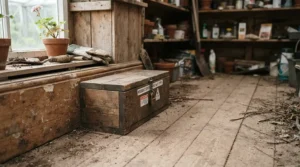
Unlike some entries on this list, this one has genuine, verifiable review commentary tying it directly to shed use — and it’s worth quoting the theme rather than the words. Multiple reviewers describe placing these blocks inside an enclosed bait station at the bottom of a garden, specifically inside a shed, and reporting that bait had visibly been taken. Feedback repeatedly flags the importance of wearing gloves during handling, and several reviewers comment favourably on the value of the larger 30-block pack for ongoing treatment rather than a single quick fix.
The damp-proof, all-weather formulation aligns with what those reviews describe — a block that survives sitting in a cold, occasionally damp shed for weeks without disintegrating. What most buyers overlook is that “the bait was taken” isn’t the same as “the mouse died” — anticoagulants work over days, not minutes, so disappearing bait is a good early sign, not proof of a finished job.
Pros:
- ✅ Genuine shed-specific reviews confirm real bait uptake
- ✅ Damp-proof formula holds up in wet outbuildings
- ✅ Larger 30-block pack suits ongoing, multi-week treatment
Cons:
- ❌ Reviewers note it can take several feeds to take full effect
- ❌ Loose blocks still legally require a compliant bait station
Priced in the £10-£20 range depending on pack size, this earns its place through the rare combination of real, on-topic review evidence and a formulation built for exactly the damp conditions a shed provides.
7. Pest Expert Formula ‘B+’ Advanced Grain Bait — strongest single-feed sachets
This is the maximum-strength option on the list, and it’s worth being straightforward about what that means in practice. Formula ‘B+’ uses Brodifacoum at 0.0029% concentration — a single-feed active ingredient, meaning a lethal dose can, in principle, be delivered in one feeding session rather than the several feeds some other actives require. The wax-free, wholewheat grain base is manufactured to be genuinely palatable, addressing a common complaint with waxier competitor products that mice sometimes ignore.
Here’s what to weigh: single-feed, maximum-strength formulas are the right call for a stubborn, established infestation where slower-acting bait hasn’t worked, but they’re overkill — and require even stricter safe handling — for a one-off mouse that’s wandered in from next door. The 10 x 100g measured sachets remove the guesswork of loose grain dosing, which is a genuinely useful practical touch for anyone new to baiting.
Pros:
- ✅ Measured 100g sachets remove guesswork from dosing
- ✅ Wax-free grain formula is genuinely palatable to rodents
- ✅ Single-feed strength suits stubborn, established infestations
Cons:
- ❌ Maximum-strength formula demands especially strict safe handling
- ❌ Not the cheapest option per gram of usable bait
Typically priced in the mid-£20s to low-£30s for the 1kg pack, this sits at the premium end of bait refills — justified if you’ve tried gentler options first and they haven’t cracked the problem.
Top 7 Products: Full Specification Comparison
| Product | Type | Price Range | Active/Format | Best For |
|---|---|---|---|---|
| Roshield Compact Rodent Bait Stations | Empty station (4-pack) | under £25 | N/A (housing only) | Budget multi-point coverage |
| The Big Cheese Rat & Mouse Bait Station | Empty station | £10-£15 | N/A (multi-format housing) | All-round shed protection |
| Rentokil Mouse Bait Station | Empty station | £5-£10 | N/A (Rentokil-compatible) | Compact, trusted-brand pick |
| Pest Expert Heavy Duty Outdoor Bait Boxes | Empty station (4-pack) | £30-£45 | N/A (large housing) | Large sheds/outbuildings |
| Roshield 300g Wax Block Bait | Bait refill | under £15 | Bromadiolone, wax block | Damp sheds on a budget |
| The Big Cheese All-Weather Bait Block | Bait refill | £10-£20 | Bromadiolone, wax block | Proven, review-backed shed use |
| Pest Expert Formula ‘B+’ Grain Bait | Bait refill | £20-£35 | Brodifacoum, grain sachet | Stubborn, established infestations |
Looking at the table, a clear pattern emerges: nobody on this list sells a true all-in-one solution, so budget for a station and a bait together rather than expecting either half to work alone. Buyers prioritising cost should pair the Roshield Compact Rodent Bait Stations with the Roshield 300g Wax Block Bait, while anyone with a larger, more established problem gets better value long-term from the Pest Expert Heavy Duty Outdoor Bait Boxes paired with Pest Expert Formula ‘B+’ Grain Bait, despite the higher upfront cost.
Shed Mouse Control: Setup and Maintenance Guide
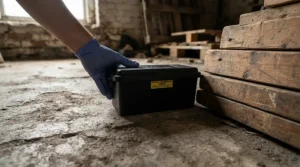
Good shed mouse control starts before you’ve even opened a bait sachet. Clear obvious clutter first — cardboard, stacked plant pots, and old compost bags are nesting material as much as they’re storage, and removing them denies mice the cover they need to feel safe. Once the shed is reasonably tidy, walk the perimeter and identify where mice are actually getting in, because placing bait randomly in the middle of the floor is one of the least effective things you can do.
Position stations against walls, in corners, and along skirting-style edges — mice travel by touch along vertical surfaces far more than they cross open floor space, so a station in open ground will simply be ignored. Space stations roughly five to ten metres apart for a typical shed-sized problem, tightening that spacing if the infestation is heavy. Check stations every five to seven days for the first month; this is the “first 30 days” window where most mistakes happen, usually through impatience (removing bait too early) or neglect (forgetting to top it up once it’s been taken).
A quick maintenance schedule for the following months: inspect monthly once activity slows, replace any bait that’s gone mouldy or waterlogged regardless of how recently it was placed, and keep spare tamper-resistant stations on hand so a damaged one can be swapped rather than left empty. Optimisation tip: rotating between two bait formats (say, a block and a grain sachet) if uptake stalls can restart feeding activity, since mice occasionally develop a mild aversion to a single flavour profile over time.
Real-World Scenarios: Who Actually Needs This
The allotment shed owner. If you’re storing seed, bulbs, and bird feed in a shed you visit twice a week, mice will find it fast — seed and bulbs are irresistible. A budget setup using the Roshield Compact Rodent Bait Stations alongside the Roshield 300g Wax Block Bait is proportionate here: low cost, adequate coverage, and infrequent monitoring suits a twice-weekly visitor.
The family with young children and a dog. Safety has to come first. The The Big Cheese Rat & Mouse Bait Station‘s internal posts and lockable lid are specifically valuable here, since loose bait or an easily opened station is the real hazard — not the poison itself, provided it’s properly contained. Pair it with a moderate-strength bait rather than maximum-strength Brodifacoum where a family member might accidentally interact with the station.
The rural cottage with an established rat and mouse problem in an old outbuilding. This is where the Pest Expert Heavy Duty Outdoor Bait Boxes and Pest Expert Formula ‘B+’ Grain Bait combination earns its higher price tag — larger housing, maximum-strength single-feed bait, and enough units to cover a genuinely large structure with multiple known entry points.
Problem → Solution: Fixing Common Shed Baiting Issues
Problem: bait sits untouched for weeks. This usually means placement, not product — move stations to wall edges and known travel routes rather than open floor space, and try switching bait format if mice are ignoring a particular flavour.
Problem: bait disappears but mice keep coming back. Bait uptake doesn’t mean the population is gone; it means feeding is happening. Increase the number of stations rather than assuming one point will handle an entire colony, and be patient — anticoagulants typically take several days to work.
Problem: a persistent smell suggests a mouse has died somewhere inaccessible. Ventilate the shed, check obvious voids like under floorboards or behind stored items, and be aware this can take one to two weeks to fully dissipate.
Problem: damp has ruined loose bait. Switch to a wax block formulation like those from The Big Cheese All-Weather Bait Block or Roshield 300g Wax Block Bait, both specifically engineered to resist moisture that destroys grain-based bait.
Problem: a station has been knocked over or chewed through. Secure it with a cable tie to a shelf leg or stake it to the ground outdoors, and replace any station showing structural damage immediately rather than continuing to use a compromised one.
✨ Ready to sort your shed once and for all? Take a look at the picks above — click through to check current availability and get your bait stations working before the next cold snap sets in! 🐭🚫
How to Choose Mouse Poison for a Garden Shed
Choosing the right setup comes down to seven practical checks, in roughly this order:
- Assess the infestation size first. A single mouse sighting needs a different response than droppings across every shelf — match product strength to the actual problem.
- Decide on station size based on shed size. Small urban sheds suit compact stations; larger outbuildings need the extra capacity of heavy-duty boxes.
- Check the active ingredient. Single-feed actives like Brodifacoum work faster on stubborn infestations; multi-feed actives like Bromadiolone are proven but slower.
- Prioritise weatherproofing over price alone. A cheap station that fails after one wet month costs more in replacements than a slightly pricier weatherproof one.
- Factor in pets and children. Tamper-resistant, lockable housing isn’t optional — it’s the single most important safety decision you’ll make.
- Buy enough stations for genuine perimeter coverage. One station rarely solves a real infestation; budget for three to five minimum.
- Plan for refills from day one. Bait runs out or spoils; know which refill format your chosen station accepts before you’re stuck mid-treatment.
Common Mistakes When Using Mouse Poison for a Garden Shed
The single biggest mistake is buying bait without a compliant station — under HSE’s current label requirements for rodenticide bait boxes, loose bait placed without tamper-resistant housing isn’t just risky, it’s against the product’s legal conditions of use. A close second is giving up too early — anticoagulant rodenticides work over days, and removing bait after 48 hours because “nothing’s happening” usually just restarts the problem.
Placing stations in the middle of open floor space rather than along walls is another frequent error, as is forgetting that outdoor stations need checking more often than indoor ones because weather degrades bait faster. Finally, many buyers underestimate quantity — one station for an entire shed rarely reflects how many entry points mice are actually using.
Outdoor Rodenticide vs Traps: Which Wins for a Garden Shed?
| Method | Effectiveness | Safety Considerations | Best For |
|---|---|---|---|
| Outdoor rodenticide (bait station) | High, especially for larger populations | Requires tamper-resistant housing; risk to non-target wildlife if misused | Established or recurring infestations |
| Snap traps | Moderate; one mouse per trigger | Lower wildlife risk; physical hazard to curious pets | Light, occasional sightings |
| Ultrasonic repellers | Low to unproven | Minimal safety concern | Deterrent only, not elimination |
The data here tells a fairly honest story: outdoor rodenticide in a proper station wins decisively for anything beyond a single stray mouse, because it works continuously without you needing to reset anything. Traps demand daily checking and only ever catch one mouse at a time, which struggles against a breeding population. Ultrasonic devices are popular precisely because they involve no poison or mess, but the evidence for genuine long-term effectiveness remains thin, making them a reasonable supplementary deterrent rather than a standalone fix.
Weatherproof Bait Stations: What Actually Matters
“Weatherproof” gets printed on a lot of packaging, but the meaningful features are narrower than the marketing suggests. What genuinely matters is UV-stabilised plastic that won’t crack or go brittle after a summer in direct sun, drainage provision so rainwater doesn’t pool inside and ruin the bait, and a lid seal tight enough to keep driving rain out without needing constant re-sealing. Weight and shape matter too — a lightweight station will simply blow over or get shifted by a curious fox, undoing weeks of careful placement.
Reviewers consistently note that stations lacking drainage become useless within a single wet month, with bait turning to sludge inside a supposedly sealed unit. The stations featured in this guide — particularly the Pest Expert Heavy Duty Outdoor Bait Boxes and Roshield Compact Rodent Bait Stations — are specifically marketed and built for outdoor, all-weather placement rather than adapted indoor designs, which is the distinction worth paying attention to when browsing beyond this list.
Damp Storage Conditions: Why Your Shed Attracts Mice
Damp storage conditions are, in a sense, the root cause behind most garden shed mouse problems. An unheated, poorly ventilated shed traps moisture from the ground, from stored garden waste, and from simple British weather, creating a microclimate mice find genuinely comfortable compared with the exposed, colder conditions outside. That same damp environment is also what destroys loose grain bait and cardboard-boxed products within days, which is precisely why wax-block formulations exist.
Reducing damp itself helps beyond just bait performance — raising stored items off the ground on shelving, improving airflow with a vent or gap under the door, and removing decomposing organic material all make the shed a less appealing habitat in the first place. Bait and traps work faster and last longer once the underlying damp problem is addressed rather than fought around.
Outdoor Entry Points: Sealing the Gaps Mice Use to Get In
A mouse can squeeze through a gap roughly the width of a pencil, which makes sealing outdoor entry points a genuinely high-value, low-cost task most guides underplay in favour of selling more bait. Check the base of the shed door for gaps, the corners where wall panels meet the floor, and any point where cables, pipes, or vents pass through the structure — these are the classic weak points.
Steel wool packed into small gaps is a cheap, effective barrier because mice can’t gnaw through it the way they can through foam or plastic filler. Larger gaps benefit from a proper timber batten or metal flashing repair rather than a quick patch. Sealing entry points doesn’t replace baiting for an existing infestation, but it dramatically reduces the odds of a solved problem simply repeating itself next season once new mice find their way in.
Seasonal Replacement: When to Refresh Your Bait
Seasonal replacement matters more for outdoor mouse poison than most buyers realise, because bait potency and rodent behaviour both shift with the seasons. Autumn is peak demand — as temperatures drop, mice actively seek indoor and semi-indoor shelter, making September through November the period when fresh bait placement matters most. Refresh stations at the start of autumn even if a previous batch was never fully consumed, since bait left in place over a full summer can degrade from heat and humidity regardless of its weatherproof rating.
Through winter, check monthly rather than weekly, since colder temperatures slow both mouse activity and bait spoilage somewhat. Come spring, do a full station-by-station replacement as part of general shed maintenance — old bait, however untouched, should be disposed of responsibly rather than left to degrade through another summer, and stations should be inspected for any winter weather damage before the cycle begins again.
Safety, Regulations and Compliance Guide
UK amateur rodenticide use sits under a genuine regulatory framework, not just good-practice suggestions. The CRRU Code of Best Practice sets out how rodenticides should be applied to limit exposure to non-target wildlife, and while it’s aimed primarily at professional users, the underlying principles — survey before baiting, use the minimum necessary, and remove bait once the job is done — apply just as sensibly to a domestic shed.
The risk to wildlife isn’t theoretical. Research summarised by the Barn Owl Trust’s rodenticide campaign has repeatedly found anticoagulant rodenticide residues in the majority of Barn Owls tested, a consequence of secondary poisoning when a bird eats a rodent that’s fed on bait but not yet died. This is exactly why tamper-resistant stations, minimal placement periods, and prompt removal of consumed carcasses matter beyond simple pet safety — they reduce, though don’t eliminate, the chance of bait reaching predators. Always keep children and pets away from treatment areas during use, wear gloves when handling any bait, store unused product in its original packaging out of reach, and dispose of empty packaging and any found rodent carcasses according to the instructions printed on the label.
Long-Term Cost and Maintenance
Total cost of ownership for a proper mouse poison for garden shed setup runs higher than the sticker price of a single bait box suggests. A realistic first-season budget covers three to five stations (roughly £15-£45 depending on which tier you choose) plus two to three rounds of bait refills across fixed multi-week intervals (typically £10-£35 per round depending on active ingredient and pack size). Ongoing seasonal maintenance — an autumn refresh and a spring clear-out — adds a smaller recurring cost each year once the initial station investment is made, since the stations themselves are reusable for years.
Viewed as cost-per-treated-mouse rather than cost-per-box, the more expensive Pest Expert Heavy Duty Outdoor Bait Boxes and single-feed Pest Expert Formula ‘B+’ Grain Bait combination often works out more economical for a genuine infestation, because faster knockdown means fewer refill cycles overall compared with a cheaper but slower-acting setup that needs topping up repeatedly across a whole season.
Frequently Asked Questions
❓ Is mouse poison safe to use in a garden shed?
❓ How long does mouse poison take to work in a shed?
❓ Can I use mouse poison outdoors without a bait station?
❓ How often should I replace bait in an outdoor shed station?
❓ What's better for a garden shed: mouse poison or traps?
Conclusion
Sorting a garden shed mouse problem properly means treating it as two decisions, not one: the station that keeps everyone safe, and the bait that actually does the work. Budget shoppers do well starting with the Roshield Compact Rodent Bait Stations and Roshield 300g Wax Block Bait, families prioritising safety should lean toward The Big Cheese Rat & Mouse Bait Station, and anyone facing a genuinely established infestation in a larger outbuilding gets the best long-term value from the Pest Expert Heavy Duty Outdoor Bait Boxes paired with Pest Expert Formula ‘B+’ Grain Bait.
Whichever combination fits your shed and your household, the fundamentals stay the same: place bait along walls and known routes rather than open floor, check it regularly rather than assuming a “set and forget” outcome, seal obvious entry points so the problem doesn’t simply repeat, and always keep safety — for kids, pets, and the local wildlife — front and centre of how you store and place these products.
Recommended for You
- Ready to Use Mouse Bait Kits: 7 Best Picks for UK Homes (2026)
- Mouse Bait Stations for Home: 7 Best Lockable Picks (2026)
- Mouse Bait Blocks vs Bait Stations: 7 Top UK Picks (2026)
Disclaimer: This article contains affiliate links. As an Amazon Associate, I earn from qualifying purchases. If you purchase products through these links, we may earn a small commission at no additional cost to you.
✨ Found this helpful? Share it with your friends! 💬🤗
