
In This Article
Here’s the thing nobody tells you at the garden centre: not all mouse bait blocks are created equal, and the £4 box next to the tills is often chemically identical to the £14 one three shelves up. Mouse bait blocks are wax-bound rodenticide bricks designed to be gnawed rather than nibbled from loose grain, which makes them the go-to choice for damp sheds, draughty airing cupboards, and anywhere a soggy sachet would turn to mush within a week. If you’ve ever lifted a loft hatch and heard that unmistakable scratching, you already know why so many people end up staring blankly at a wall of near-identical boxes, all promising “maximum strength” and “single feed” results.
This guide cuts through that noise. We’ve pulled together seven genuine, currently available UK products — spanning budget cardboard-box options through to professional-grade brodifacoum blocks — and picked them apart on the things that actually matter: active ingredient, potency, weatherproofing, and real cost per treatment rather than the sticker price alone. Whether you’re hunting for cheap mouse bait to deal with a single stray visitor or comparing affordable rodenticide blocks for a recurring outbuilding problem, you’ll find a proper breakdown here, not a rewritten product listing. We’ve also dug into the regulatory side, because in the UK, how you use these blocks matters just as much as which ones you buy.
Quick Comparison Table
| Product | Active Ingredient | Format | Best For |
|---|---|---|---|
| The Big Cheese All-Weather Block Bait | Difenacoum | 15 x 10g blocks | Budget mouse poison for damp sheds |
| Ruby Rat and Mouse Bait Blocks | Difenacoum | 10 x 30g blocks | Cheap mouse bait, general use |
| Roshield Brodifacoum Poison Blocks | Brodifacoum | 15 x 20g blocks | Fast single-feed kills |
| Pest Expert Formula B+ Bait Blocks | Brodifacoum | 15 x 20g blocks | Maximum bait potency |
| CritterKill Rat & Mouse Killer | Difenacoum | 10 x 30g blocks | Affordable rodenticide blocks outdoors |
| Roshield 600g Wax Block Refill Packs | Bromadiolone | 2 x 300g (30 blocks) | Bulk refill blocks |
| Ready Steady Defend Mouse Control Box Kit | Brodifacoum | 5 stations + 250g blocks | Beginners wanting an all-in-one kit |
Looking across the table, there’s a clear split between difenacoum-based blocks — gentler, slower, and generally cheaper — and brodifacoum-based ones, which cost a little more but work faster against stubborn or bait-shy mice. If you’re dealing with a light, first-time infestation, a difenacoum block like The Big Cheese All-Weather Block Bait or Ruby Rat and Mouse Bait Blocks is usually sufficient and easier on the wallet. For anything that’s been going on for weeks, or where previous bait has been ignored, stepping up to a brodifacoum product such as Pest Expert Formula B+ Bait Blocks tends to shorten the whole ordeal considerably.
💬 Found a product here that’s already solved your mouse problem? A quick thumbs-up or share helps other readers find the right one faster too!
What Is Bait Potency, and Why Does It Actually Matter?
Bait potency refers to how quickly and reliably a rodenticide’s active ingredient causes a lethal dose after a mouse feeds on it, and it’s determined almost entirely by the chemical compound used, not the brand name on the box. In the UK amateur market, the two ingredients you’ll meet again and again are difenacoum and brodifacoum, and the gap between them is bigger than most packaging lets on.
Difenacoum is a first-generation-adjacent anticoagulant that typically needs multiple feeds over several days to build up a lethal dose, which makes it milder and, arguably, a touch safer around pets that might scavenge a dead mouse. Brodifacoum, by contrast, is formulated to deliver a lethal dose from a single feed, and its lower required dosage (commonly 0.0025% w/w in UK amateur products) is precisely why it’s marketed as “maximum strength.” What most buyers overlook is that a higher potency ingredient doesn’t just kill faster — it also reduces the amount of bait a mouse needs to eat before it stops returning to raid your kitchen cupboards, which in practice means fewer nights of hearing them at 2am.
That said, potency isn’t the only variable. A mouse that’s spoiled for choice with easy food sources elsewhere in the house may barely touch even the strongest brodifacoum block, which is why source removal (see our usage guide below) does more heavy lifting than most people assume. Reviewers consistently note that bait uptake, not raw chemical strength, is the biggest predictor of success — a block a mouse won’t eat is worthless regardless of what’s printed on the label. For a technical breakdown of how these substances are regulated and monitored for wildlife impact, the Health and Safety Executive’s guidance on rodenticide biocides is a genuinely useful primary source.
How to Choose Mouse Bait Blocks
- Identify the environment first. Damp sheds, drains, and outbuildings need genuinely all-weather, wax-bound blocks; dry indoor cupboards can get away with almost any format, including loose grain.
- Match potency to infestation severity. A single mouse spotted once calls for a difenacoum block; an established colony with visible droppings warrants brodifacoum from the outset.
- Check the active ingredient concentration, not just the brand claims. Look for the percentage w/w figure on the packet — 0.0025% brodifacoum is currently the maximum strength permitted for UK amateur use.
- Factor in bait station compatibility. Blocks with a threading hole fit standard tamper-resistant stations; without one, you’ll need a station with a different retention method.
- Work out true cost per gram, not price per box. A £14 pack of 300g works out cheaper per treatment than a £6 pack of 90g, even though the shelf price looks worse.
- Consider household risk. Homes with children, dogs, or cats should prioritise blocks containing Bitrex (denatonium benzoate), a bittering agent that discourages accidental consumption.
- Buy enough for proper spacing. Pest control guidance recommends several small bait points rather than one large one, so a bigger pack often works out more practical than it first appears.
Top 7 Mouse Bait Blocks: Expert Analysis
1. The Big Cheese All-Weather Block Bait — cheapest genuine all-weather option
The clue is in the name: this is the block that shows up first when people search for cheap mouse bait, and it earns that spot honestly. Each pack contains 15 x 10g difenacoum blocks manufactured to be moisture-resistant, meaning they hold their shape and palatability in a damp shed or an outdoor bait station far better than a basic grain sachet would. The active ingredient sits at a lower potency than brodifacoum, which in practice means it typically takes several feeds across 4-7 days for a lethal dose to build up, rather than the single-feed action of stronger blocks.
Based on the spec comparison, this is squarely a “steady and reliable” product rather than a “fast and aggressive” one — its 50%-reduced-poison formulation is a genuine safety plus for gardens with wildlife passing through, but it’s not the pick for a mouse that’s already ignoring other bait. Reviewers consistently report solid results against light-to-moderate infestations, with several noting mice disappearing within a week of consistent placement, though a handful mention needing to top up blocks more often than expected in very active sites. The universal block design fits nearly every bait station on the market, which is a small but genuinely useful detail if you’re mixing and matching kit from different brands.
Pros:
- ✅ Genuinely moisture-resistant — holds up in sheds and drains
- ✅ Lower poison content reduces risk to non-target wildlife
- ✅ Universal fit works with almost any bait station
Cons:
- ❌ Slower-acting than brodifacoum-based alternatives
- ❌ Struggles against bait-shy or well-fed mice
At around £7-£9 for the standard 15-block pack, this sits firmly in budget mouse poison territory, and it’s genuinely good value for light domestic use where speed isn’t critical.
2. Ruby Rat and Mouse Bait Blocks — best cheap mouse bait for general use
Ruby Rat and Mouse Bait Blocks come in a 300g pouch containing 10 x 30g compressed difenacoum blocks, and the larger individual block size is the standout feature here — bigger chunks mean fewer replacement trips to the bait station over the course of a treatment. Each block is rated at 0.0025% difenacoum, blended with multiple cereal types to increase palatability, which the brand pitches as making the bait “irresistible” to rodents, though as with any bait, real-world uptake still depends heavily on competing food sources nearby.
What most buyers overlook about this model is that its larger block format actually works out more economical per treatment than smaller multi-block packs, since a single 30g block covers roughly what three 10g blocks would in a busier bait station. It’s approved for amateur use without a licence under the UK Rodenticide Stewardship Scheme, and it can be used both indoors and outdoors around buildings, though — like every rodenticide on this list — only rats may legally be targeted outdoors, with mice restricted to indoor placements under UK pesticide regulations. Aggregated buyer feedback tends to highlight straightforward setup and decent uptake speed, with the main gripe being that, like most difenacoum products, results take longer to show than with single-feed brodifacoum blocks.
Pros:
- ✅ Larger 30g blocks mean fewer refills per station
- ✅ No licence required for amateur purchase
- ✅ Multi-cereal blend improves palatability
Cons:
- ❌ Difenacoum requires multiple feeds for lethal effect
- ❌ Indoor-only use for mice under UK regulations
Typically priced in the £8-£12 range for 300g, this is one of the more genuinely affordable rodenticide blocks on the market when you calculate cost per gram rather than cost per box.
3. Roshield Brodifacoum Poison Blocks — best for fast, single-feed results
Roshield’s 300g pack delivers 15 x 20g blocks at 0.0025% brodifacoum, the maximum strength currently permitted for UK amateur rodenticides, and it’s manufactured using a hot-casting process that thoroughly mixes the wax and active ingredient together rather than simply coating the outside. That process detail matters more than it sounds: it’s what gives these blocks their genuine tolerance for humidity, since a poorly mixed block can develop a soft, mould-prone core even while looking fine on the surface.
On paper, this means mice can receive a lethal dose from a single feeding session, dramatically shortening the window between placing bait and seeing results compared with weaker formulations. Reviewers consistently note noticeably faster activity drop-off — often within 3-5 days — which lines up with brodifacoum’s known mode of action. The blocks include a threading hole for secure mounting on the internal rod of a bait station, a legal requirement in the UK for outdoor rodenticide use, and they’re manufactured domestically using UK-sourced grain, a detail that matters to buyers concerned about supply chain and quality control. The inclusion of Bitrex as a bittering agent adds a sensible layer of accidental-ingestion protection for households with pets.
Pros:
- ✅ Maximum-strength brodifacoum for single-feed kills
- ✅ Hot-cast wax construction resists humidity genuinely well
- ✅ UK-manufactured with a threading hole for secure mounting
Cons:
- ❌ Higher potency demands stricter pet and child precautions
- ❌ Premium formulation costs more than difenacoum equivalents
Expect to pay somewhere in the £8-£13 range for a 300g pack, which is reasonable given the jump in bait potency over the budget options above.
4. Pest Expert Formula B+ Bait Blocks — strongest bait potency on this list
If raw bait potency is your priority, Pest Expert Formula B+ Bait Blocks are built specifically to top that category. The manufacturer states the formula uses maximum-strength brodifacoum at 0.0025-0.0029% w/w depending on pack size, positioned explicitly as being up to four times stronger against mice than bromadiolone-based competitors — a specific, checkable claim rather than vague marketing fluff, which is refreshing in a category full of “super strength” labels that mean very little.
Here’s what the spec sheet won’t tell you outright, but the product’s own directions make clear: this potency is designed to overcome bait resistance in populations that have survived exposure to weaker anticoagulants, making it a sensible upgrade if you’ve already tried a milder block without success. The blocks are engineered with multiple gnawing edges specifically to encourage rodents to keep chewing rather than nibbling once and moving on, a small design detail that meaningfully increases the odds of a full lethal dose being consumed. Reviewers on the manufacturer’s own site and third-party retailers report infestations resolving within 5-7 days of consistent placement, with several specifically praising results after humane traps and lower-strength baits had already failed.
Pros:
- ✅ Verified maximum-strength brodifacoum concentration
- ✅ Multi-edge design encourages full lethal-dose uptake
- ✅ Effective against bait-resistant mouse populations
Cons:
- ❌ Overkill for a single, minor sighting
- ❌ Among the pricier options per gram on this list
Pricing generally sits in the £9-£15 range for a 300g pack, which reflects its position as the premium potency pick rather than a budget mouse poison.
5. CritterKill Rat & Mouse Killer — solid mid-range all-weather blocks
CritterKill Rat & Mouse Killer ships as 10 individually wrapped 30g blocks containing 0.0025% difenacoum, and the individual wrapping is genuinely more useful than it sounds — it keeps unused blocks fresh and hygienic between top-ups, which matters if you’re treating a large outbuilding and don’t need all ten blocks placed at once. The formula is pitched specifically at overcoming resistance to first-generation rodenticides like warfarin, positioning it a notch above the most basic budget blocks without stepping all the way up to brodifacoum pricing.
Based on the spec comparison, this sits in a genuinely useful middle ground: stronger and more targeted at resistant populations than entry-level difenacoum blocks, but without the premium cost of the brodifacoum options above. Aggregated customer sentiment is mixed but leans positive — several reviewers report dead rodents found within a week of placement and describe the blocks as easy to fit into standard stations, while a recurring complaint centres on price relative to pack size, with a few buyers feeling the per-gram cost runs slightly high for a difenacoum product. It’s worth weighing that against the individually wrapped freshness benefit before ruling it out.
Pros:
- ✅ Individually wrapped blocks stay fresher for longer
- ✅ Formulated to overcome first-generation resistance
- ✅ All-weather formula suits indoor and outdoor stations
Cons:
- ❌ Higher per-gram price than comparable difenacoum blocks
- ❌ Some reviewers report smaller-than-expected block size
Typical pricing runs around £10-£16 for the 300g pack, putting it slightly above the cheapest affordable rodenticide blocks but below the premium brodifacoum tier.
6. Roshield 600g Wax Block Refill Packs — best refill blocks for ongoing treatment
For anyone running a long-term bait station setup — a farm outbuilding, a large garden, or a commercial-adjacent property — buying single small packs repeatedly gets expensive and inconvenient fast. The Roshield 600g Wax Block Refill Packs solve that by supplying two 300g packs (30 x 20g blocks total) of bromadiolone-based bait, specifically designed as an ongoing refill supply for stations that are already installed and simply need topping up on a rolling basis.
What most buyers overlook here is that bromadiolone sits at a middle potency point between difenacoum and brodifacoum, generally requiring 2-3 feeds to build a lethal dose while remaining highly effective against most mouse and rat populations. As pure refill blocks, the calculation shifts from “how fast will this work” to “how much does each treatment cycle actually cost me,” and buying in this 600g format works out meaningfully cheaper per gram than repeatedly purchasing smaller 300g boxes — a genuinely useful bit of maths for anyone budgeting a multi-month pest control plan. The hot-cast wax construction, shared across Roshield’s range, means these hold up just as well in damp bait stations as their single-pack siblings.
Pros:
- ✅ Bulk 600g format cuts cost-per-treatment significantly
- ✅ Bromadiolone offers a reliable middle-ground potency
- ✅ Consistent hot-cast, all-weather wax construction
Cons:
- ❌ Bulk buying only pays off for ongoing, larger-scale problems
- ❌ Requires proper storage to avoid buying more than needed
Expect around £14-£20 for the twin-pack, which — measured per gram of active bait — is one of the better-value refill blocks currently available on Amazon UK.
7. Ready Steady Defend Mouse Control Box Kit — best all-in-one kit for beginners
Not everyone wants to source a bait station separately and figure out compatibility with a block bought elsewhere, and that’s exactly the gap the Ready Steady Defend Mouse Control Box Kit fills. The kit bundles five reusable, lockable bait boxes with 250g of professional-grade brodifacoum blocks, meaning a first-time buyer gets a genuinely complete, tamper-resistant setup straight out of the box rather than having to piece one together.
On paper, this means less guesswork for someone tackling their first infestation: the boxes are sized appropriately for mice, come pre-matched to the included blocks, and are reusable once the initial bait supply runs low, which is where the ongoing savings kick in — buyers can then switch to any of the loose refill blocks above rather than repurchasing full kits. Reviewers highlight the convenience of not needing to research bait station compatibility separately, while noting — reasonably — that the included bait quantity is enough for an initial treatment cycle rather than an extended one, meaning a refill purchase is a near-certainty for anything beyond a minor sighting. Limited stock availability has also been mentioned by shoppers, so checking current stock levels is worthwhile before committing.
Pros:
- ✅ Complete kit removes bait-station guesswork for beginners
- ✅ Reusable boxes reduce long-term cost via future refills
- ✅ Brodifacoum blocks included at professional-grade strength
Cons:
- ❌ Included bait quantity suits initial treatment only
- ❌ Availability has fluctuated according to recent buyers
Priced typically in the £18-£25 range as a complete kit, this isn’t the cheapest entry point on this list, but factoring in five bait stations that would otherwise need buying separately, the total cost of ownership stacks up reasonably well.
Cheap Mouse Bait vs Affordable Rodenticide Blocks: Is There a Real Difference?
These two phrases get used almost interchangeably in searches, but there’s a subtle and genuinely useful distinction worth drawing out. Cheap mouse bait, in the truest sense, usually refers to the lowest sticker price on the shelf — think small, low-block-count boxes of difenacoum sold purely on price. Affordable rodenticide blocks, by contrast, is really a value calculation: cost per gram of active bait, factoring in block size, pack quantity, and how many treatment cycles you’ll realistically get out of a single purchase.
Here’s where that distinction bites: The Big Cheese All-Weather Block Bait is cheap in the literal sense — it has one of the lowest shelf prices on this list — but Ruby Rat and Mouse Bait Blocks, at a slightly higher sticker price, often works out more affordable per treatment because its larger 30g blocks mean fewer replacements over the same period. Meanwhile, Roshield 600g Wax Block Refill Packs, while never marketed as “cheap,” is arguably the most genuinely affordable option of the entire lineup for anyone running an ongoing treatment, simply because bulk buying divides the packaging and shipping cost across far more grams of usable bait. The lesson, based on the spec comparison across all seven products, is that the lowest price tag and the best value are frequently two completely different products — and it pays to do the maths on cost-per-gram before assuming the cheapest box on the shelf is actually the cheapest option overall.
Practical Usage Guide: Setting Up Bait Blocks Correctly
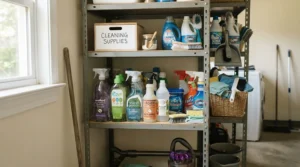
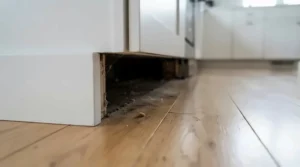
Getting mouse bait blocks to actually work comes down to placement and patience far more than brand choice. Start by identifying activity zones — look for droppings, gnaw marks, or greasy smear marks along skirting boards — rather than guessing at random locations, since bait placed away from active runs is essentially wasted. Always fit blocks into a proper tamper-resistant bait station; this isn’t optional guidance, it’s a legal requirement for outdoor use in the UK and strongly recommended indoors wherever children or pets are present.
In the first 30 days, the single most common mistake is under-baiting: placing one block in one spot and expecting rapid results. Pest control guidance consistently recommends multiple small bait points spaced 2-5 metres apart rather than one large deposit, since mice are nibblers that sample many food sources rather than committing to a single meal. Check stations every 3-4 days initially, topping up any consumed bait promptly — a station that runs dry mid-treatment simply teaches the local population that the food source has disappeared, undoing your progress. One optimisation trick that doesn’t appear on any packaging: removing competing food sources (pet food left out overnight, unsealed cereal, compost bins) in parallel with baiting dramatically increases how quickly mice commit to the bait rather than ignoring it in favour of easier meals. Maintain stations weekly once activity slows, and only remove them once no further bait uptake or fresh droppings appear for at least two consecutive checks.
Real-World Scenarios: Which Bait Block Suits Your Situation?
The flat-dweller with a single sighting: if you’ve spotted one mouse once, in a dry indoor space, a difenacoum block like The Big Cheese All-Weather Block Bait placed in a small, discreet indoor station is proportionate — no need to reach for maximum-strength brodifacoum for a problem that may resolve in a single treatment cycle.
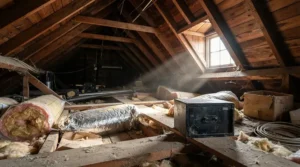
The homeowner with an established loft or shed colony: multiple droppings, gnawed insulation, and repeated night-time noise point to an entrenched population that’s likely to shrug off milder bait. This is exactly the scenario Pest Expert Formula B+ Bait Blocks or Roshield Brodifacoum Poison Blocks were built for — their single-feed action shortens what could otherwise be a multi-week ordeal into a matter of days.
The smallholder or rural property owner with recurring seasonal activity: if mice (and often rats) reappear every autumn as temperatures drop, the maths favours buying in bulk. Roshield 600g Wax Block Refill Packs dropped into existing stations, topped up on a rolling schedule, work out cheaper across a full season than repeatedly buying smaller boxes, and the all-weather wax construction copes well with unheated outbuildings.
Refill Blocks: How to Keep Costs Down Without Cutting Corners
Once you’ve got bait stations installed, the ongoing cost of pest control comes almost entirely from refill blocks rather than the stations themselves, which is why buying refills intelligently matters more long-term than the initial kit purchase. The core principle is straightforward: buy the largest pack size you’ll realistically use within its shelf life, since bait blocks — while shelf-stable for a long time when sealed — are best used within the timeframe suggested on the packaging for maximum palatability.
Roshield 600g Wax Block Refill Packs are purpose-built for exactly this, and the cost-per-gram advantage becomes obvious once you compare it against buying four separate 150g equivalents at retail price. A less obvious optimisation: standardise on a single active ingredient and bait station system across your property rather than mixing brands, since this avoids compatibility headaches (not every threading hole fits every internal rod) and means one bulk refill purchase covers every station on site. For households treating a single kitchen cupboard rather than an entire outbuilding, refill economics matter far less — a smaller pack like Ruby Rat and Mouse Bait Blocks will likely outlast the problem entirely before it’s worth considering bulk buying.
Common Mistakes When Buying Budget Mouse Poison
The single biggest mistake is treating “budget” and “cheapest shelf price” as the same thing, when — as covered above — a slightly pricier pack with larger blocks or bulk packaging is frequently the actual budget-conscious choice once cost per treatment is factored in. A second common error is under-buying: purchasing a single small box for what turns out to be a multi-mouse infestation, then needing 2-3 follow-up purchases that, combined, cost more than one larger pack would have upfront.
Buyers also frequently overlook the concentration percentage printed on the packet, assuming all “budget mouse poison” performs identically regardless of active ingredient — it doesn’t, and a lower-potency difenacoum block bought purely on price can end up taking twice as long to resolve an infestation as a moderately pricier brodifacoum alternative, which arguably makes it the more expensive option once you factor in prolonged property damage and continued food contamination risk. Finally, skipping a proper bait station to save a few pounds is a false economy in the UK: it’s not just a safety risk to pets and children, it’s a legal requirement for outdoor rodenticide use, and using bait without one can render a product ineffective against damp and weather regardless of how “budget” or “premium” it claims to be.
Mouse Bait Blocks vs Traditional Alternatives
| Method | Speed | Ongoing Cost | Best For |
|---|---|---|---|
| Bait Blocks (this guide) | 1-7 days depending on potency | Low per treatment | Established or recurring infestations |
| Snap Traps | Immediate, per catch | Low, reusable | Small numbers, visible activity |
| Humane Traps | Slow, inconsistent | Low, reusable | Single mice, pet-friendly households |
| Professional Pest Control | Fast, expert-led | High per callout | Severe or persistent infestations |
The table makes the trade-offs fairly clear: bait blocks sit in a genuinely useful middle ground between the low but inconsistent effectiveness of humane traps and the high cost of calling in professionals. Reviewers repeatedly describe switching to blocks after humane and snap traps failed to make a dent in an established population, which tracks with how mice behave — cautious, trap-shy individuals will often walk past a snap trap for weeks while still readily feeding on a bait block placed along their regular route. For genuinely severe or recurring infestations, though, a British Pest Control Association-registered professional remains the more reliable route, particularly where outdoor rat activity is also involved.
💬 Struggling to decide between DIY bait and calling a professional? Drop a comment below — it helps others facing the same dilemma!
Long-Term Cost & Maintenance: The Real Price of Rodent Control
It’s tempting to compare mouse bait blocks purely on upfront pack price, but the real cost of rodent control plays out over months, not one purchase. A single £8 box of budget difenacoum blocks that fails to resolve an infestation, requiring three repeat purchases and weeks of continued property damage, ends up costing considerably more — in money, time, and nerves — than a single £15 brodifacoum pack that resolves the problem in one treatment cycle.
Total cost of ownership should factor in bait station durability (reusable stations amortise their cost across years of refills), the frequency of top-ups your chosen potency requires, and any secondary costs like gnaw-damage repairs that additional weeks of activity can cause. As a rough rule of thumb, treating a single-room problem with an appropriately potent block typically costs under £15 all-in when using existing or bundled stations, while a full-property or recurring seasonal problem is more realistically a £30-£60 annual budget once refills and possibly a station kit are factored in — still substantially cheaper than a series of professional callouts, though more severe infestations may ultimately need that professional input regardless of DIY spend.
Safety, Regulations & Compliance: What UK Law Says About Rodenticide Blocks
UK amateur rodenticide sales are governed under the UK Rodenticide Stewardship Scheme, developed with oversight from the Health and Safety Executive and coordinated by the Campaign for Responsible Rodenticide Use (CRRU UK), which sets out a Code of Best Practice specifically to limit exposure risk to non-target wildlife such as barn owls and other birds of prey that can be secondarily poisoned by eating affected rodents. Under this framework, amateur (non-professional) buyers are generally limited to a maximum of 1.5kg of rodenticide bait at any one time without a recognised certificate, and outdoor use is restricted to rats around buildings — mice must legally be treated indoors only when using amateur-grade products.
Every product on this list requires use within a tamper-resistant, lockable bait station; this isn’t a suggestion, it’s a statutory condition of sale and use for anticoagulant rodenticides in the UK. Landlords and property owners also carry legal obligations here: the Prevention of Damage by Pests Act 1949 places a duty on owners and occupiers to keep land free of rodent infestations, and separate housing legislation can make landlords responsible for treatment where an infestation stems from disrepair. If you’re a tenant unsure where responsibility lies, Citizens Advice sets out who’s typically liable for pest infestations in rented accommodation, which is worth a read before assuming the cost automatically falls on you.
Features That Actually Matter (And Those That Don’t)
Marketing copy on rodenticide packaging leans heavily on words like “maximum,” “super,” and “professional-grade,” and it’s worth separating genuine performance differentiators from repackaged common sense. Active ingredient concentration matters enormously — it’s the single biggest driver of speed and effectiveness, and it’s the one figure worth actually reading on the label rather than trusting the front-of-pack branding. Weatherproof, hot-cast wax construction also genuinely matters for any outdoor or damp-location use; a block that turns to mush after one rainy week is a wasted purchase regardless of its chemical strength.
What matters considerably less: block colour, “irresistible flavour” claims that can’t really be verified by a buyer, and headline pack sizes without a per-gram price comparison. A 45-block pack sounds far more impressive than a 15-block one, but if the blocks are a third of the size, you’re not actually getting more treatment capacity — just smaller individual pieces. Bittering agents like Bitrex are a genuinely worthwhile safety feature rather than marketing fluff, since they meaningfully reduce the risk of accidental ingestion by children or pets without affecting palatability to rodents.
Frequently Asked Questions
❓ Are mouse bait blocks safe to use around pets?
❓ How long do mouse bait blocks take to work?
❓ Can I use mouse bait blocks outdoors?
❓ Why won't mice touch the bait blocks I've placed?
❓ What's the difference between mouse bait blocks and mouse poison grain?
Conclusion
Picking the right mouse bait blocks really comes down to matching potency and format to your actual situation rather than reaching for whichever box shouts “maximum strength” the loudest. For a light, first-time sighting in a dry indoor space, budget difenacoum options like The Big Cheese All-Weather Block Bait or Ruby Rat and Mouse Bait Blocks genuinely do the job without overspending. For an established infestation that’s already outlasted a milder attempt, stepping up to single-feed brodifacoum blocks such as Roshield Brodifacoum Poison Blocks or Pest Expert Formula B+ Bait Blocks will typically resolve things far faster, even at a slightly higher upfront cost.
If you’re managing an ongoing or seasonal problem across a larger property, buying refills in bulk with something like Roshield 600g Wax Block Refill Packs is where the real savings show up over a full year of treatment. And if this is your first time dealing with mice at all, a complete kit such as the Ready Steady Defend Mouse Control Box Kit removes the guesswork of matching stations to bait, which is worth the modest premium for the peace of mind alone. Whichever you choose, always use a proper tamper-resistant station, remove competing food sources alongside baiting, and be patient — even the fastest-acting blocks need a few days to show results.
✨ Ready to sort your mouse problem once and for all?
🐭 Compare the options above, check current prices and availability, and pick the block that actually matches your situation — not just the one with the biggest “maximum strength” label on the box!
Recommended for You
- Child and Pet Safe Mouse Traps: 7 Best Picks for UK Homes (2026)
- Glue Traps for Mice: 7 Licensed Trade Picks (UK 2026)
- Reusable Mouse Traps: 7 Best Durable Picks for UK Homes 2026
Disclaimer: This article contains affiliate links. As an Amazon Associate, I earn from qualifying purchases. If you purchase products through these links, we may earn a small commission at no additional cost to you.
✨ Found this helpful? Share it with someone else fighting the mouse battle! 💬
