In This Article
Steel wool for mouse holes is coarse wire wool packed tightly into gaps, cracks and pipe entries so rodents can’t squeeze through or gnaw their way in. The sharp metal fibres are unpleasant to chew, and stainless versions resist rust. That makes it a poison-free, low-cost barrier for small holes up to roughly 50mm.
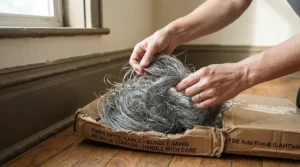
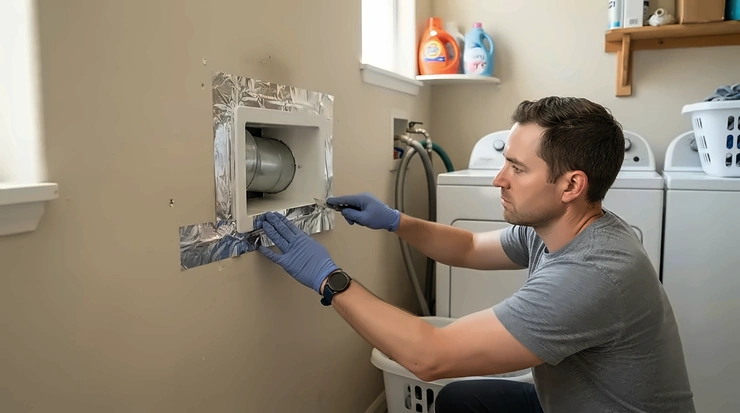
Mice are the original contortionists. Public health guidance says they can pass through a hole the width of a pencil, around 6mm, and CDC advice on sealing up against rodents recommends filling small holes with steel wool and putting caulk around it to keep it in place. Traps deal with the mouse you’ve already got. Wire wool deals with the doorway.
That is why this humble material keeps winning. Wikipedia’s entry on steel wool lists rodent control as a recognised use, noting that coarse grades are plugged into small holes. It also explains why plain steel rusts and stainless doesn’t.
But the shelf is a muddle. Some rolls are workshop abrasives that happen to mention mice, some are proper pest-proofing kits, and some are stainless blends sold by the metre. This guide compares seven real options, explains wire wool grades, answers the “how much steel wool do I need for one hole?” question, and shows you how to fit it so it stays put.
Quick Comparison: Steel Wool for Mouse Holes at a Glance
Here is the field in one glance. Prices are indicative ranges at the time of research, so check current price and availability before you buy.
| Product | Material | Format | Price range | Best For |
|---|---|---|---|---|
| Connect Wire Wool Coarse Grade 450g (32119) | Coarse steel wool | 450g roll | Around £12-£15 | General-purpose sealing of small interior holes |
| The Big Cheese Mouse Out Wire Wool Rodent Blocker Kit | Rust-resistant wire wool | 8 pads, tamper, spray | Around £12-£15 | Beginners wanting everything in one box |
| SWISSINNO Rodent Stop Steel Wool | Stainless steel and poly fibre | Roll | Budget-friendly, check roll length | Outdoor and damp gaps |
| Connect Wire Wool Medium Grade 450g (32120) | Medium steel wool | 450g roll | Around £12-£15 | Narrow, awkward pipe gaps |
| Pestfix WM152 Rodent Proofing Wire Wool | Coarse steel wool | 450g roll | Check current price | Foam-assisted proofing of larger voids |
| RaxWool Pro | Coarse stainless and synthetic fibres | Pro-grade barrier | Check current price | Landlords and pest-proofing tradespeople |
| Xcluder Rodent Control Fill Fabric (Large DIY Kit) | Stainless steel wool blend | Roll, shears, gloves | Roughly £15-£25 equivalent, if shipped | Permanent, rust-free sealing |
Look at the table as a decision tool rather than a league table. The Connect Wire Wool Coarse Grade 450g (32119) and The Big Cheese Mouse Out kit cover most dry indoor jobs at similar money. If your gaps are outdoors, the SWISSINNO Rodent Stop Steel Wool and Xcluder are the picks that won’t turn to orange crumble. The two pest-trade products, Pestfix WM152 and RaxWool Pro, mainly suit people sealing many properties or large voids.
💬 Just one click — help others make better buying decisions too!😊
Top 7 Steel Wool for Mouse Holes: Expert Analysis
1. Connect Wire Wool Coarse Grade 450g (32119) — best all-round roll for most holes
The big draw is quantity: one 450g roll of coarse grade wire wool goes a long way. The maker’s listing says scrunched-up wire wool can block small holes and cracks to keep rodents out without poisons or traps.
Coarse grade is the thickest, most chew-resistant end of the range, and a 450g roll means you can cut and compress as much as each gap needs. On paper that is enough for a whole house survey, not just one hole.
The honest caveat is that this is primarily sold as a workshop abrasive for rust and paint removal. Mice are a secondary use. Standard steel wool also rusts if it gets damp, so it suits dry indoor spots, such as the gap behind a kitchen kickboard, best. Pair it with sealant over the top.
I couldn’t verify enough genuine review data to summarise sentiment fairly, so check recent buyer reviews on the listing for feedback on roll density and packaging.
Pros:
- ✅ Generous 450g roll covers many holes
- ✅ Coarse fibres are tough on gnawing teeth
- ✅ Easy to cut and shape to any gap
Cons:
- ❌ Plain steel will rust in damp spots
- ❌ Not marketed mainly for pest proofing
Price range: around £12-£15. Good value for dry, interior sealing, but not my choice for exposed outdoor gaps.

2. The Big Cheese Mouse Out Wire Wool Rodent Blocker Kit — best beginner kit with a tamper
This is the “open the box and get on with it” option. The kit includes eight large rust-resistant wire wool pads, a tamper and a peppermint oil spray, and Screwfix lists the pads at 77mm x 236mm.
That tamper matters more than it sounds. The most common failure is wool that is poked in loosely and pulled out by a mouse. A tamper lets you pack it deep into brickwork and pipe gaps. The instructions say to cut pads to fit, spray, then tamp the wool in tightly.
Treat the peppermint spray as a bonus. The physical barrier does the real work, and I wouldn’t rely on scent alone. It is made by UK-based STV International in Norfolk, which is a plus for returns and support.
Review sentiment: I could not verify enough genuine reviews to describe a consistent pattern, so read recent buyer feedback on current listings.
Pros:
- ✅ Tamper helps pack wool deep and tight
- ✅ Eight pads cover several small holes
- ✅ Rust-resistant, suitable for indoors and out
Cons:
- ❌ Pads are not meant for large voids
- ❌ Peppermint spray adds little proven value
Price range: around £12-£15. Great value for first-timers.
3. SWISSINNO Rodent Stop Steel Wool — best stainless poly-fibre roll for damp gaps
Where plain wool rusts, this doesn’t. The manufacturer says it combines stainless steel and poly fibre, so it resists weathering and doesn’t rust like conventional steel wool, and that rodents can’t eat their way through it.
The close mesh also blocks wind and dust, which is handy for gaps near air bricks and eaves. Instructions call for cutting a piece slightly larger than the hole and pressing it in with no gaps. That slight oversizing is the right instinct, because compression is what makes any wool hold.
Review sentiment is the strongest of the seven. A retail listing I saw showed an average of 4.3 out of 5 from over a thousand ratings, though it may be a different marketplace, so check the current UK listing. One reviewer said it successfully stopped mice entering their house, and another noted that their mice got in through unsealed gas pipe holes. That is a good reminder to survey before you buy.
Pros:
- ✅ Stainless blend won’t rust outdoors
- ✅ Dense mesh also stops draughts and dust
- ✅ Strong review base on its main listing
Cons:
- ❌ Costlier per hole than bulk carbon wool
- ❌ Roll length varies between listings
Price range: budget-friendly, depending on roll length. Check current price. A smart pick for exposed gaps.
4. Connect Wire Wool Medium Grade 450g (32120) — easier to pack into narrow pipe gaps
Medium grade trades a little toughness for flexibility. The maker lists it for rust and paint removal, with the same note about scrunching it up to block small holes.
Its thinner, more pliable filaments tease into slim gaps that coarse wool resists. One pest-supply site suggests fine to medium suits small openings, with coarser wool better for plugging bigger breaches. That fits what the grade chart says: the finer the fibre, the easier it packs but the less chew resistance you get.
My take: use medium for the narrow gap around a waste pipe, then back it with coarse wool or sealant if the opening is a known mouse route. It’s a supporting actor, not the lead.
Reviewer sentiment: I could not verify genuine buyer reviews for this specific item, so check the listing for recent feedback on density and delivery.
Pros:
- ✅ Pliable enough for slim awkward gaps
- ✅ Same generous 450g roll as coarse
- ✅ Easy to layer with coarser wool
Cons:
- ❌ Less chew resistance than coarse grade
- ❌ Plain steel still rusts if damp
Price range: around £12-£15. Fair value, best bought alongside the coarse roll rather than instead of it.
5. Pestfix WM152 Rodent Proofing Wire Wool — trade-spec roll built to work with foam
This one is written for professionals. Pestfix describes WM152 as a coarse-grade rodent proofing roll of 450g that resists rust over time and is designed to be paired with expanding foam.
Pestfix says that for small voids up to 50mm you stuff wire wool in, and for larger voids you use it with expanding foam. That 50mm threshold is a useful rule of thumb: below it, wool is the plug, and above it, the wool becomes the gnaw-proof backing behind the foam.
This is the one I’d choose if you’re sealing around many pipe penetrations at once, such as a kitchen refit. The honest limit is that it’s primarily a trade supplier product, so check whether it can be bought through Amazon UK or only direct.
I found no verifiable consumer review data, so I can’t summarise buyer sentiment for it.
Pros:
- ✅ Coarse grade, written for pest proofing
- ✅ Clear guidance on voids up to 50mm
- ✅ Designed to pair with expanding foam
Cons:
- ❌ Mainly a trade-supplier product
- ❌ No verified consumer review data
Price range: check current price. Worth it for bigger jobs, though less convenient than a ready-made kit.
6. RaxWool Pro — pro-grade stainless barrier for serious jobs
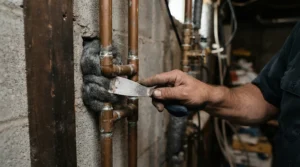
Killgerm describes RaxWool Pro as coarse stainless steel interwoven with strong synthetic fibres, built as a barrier against mice and rats. It’s positioned as a go-to for pest controllers.
The stainless content means no rust staining and a barrier that should last. The synthetic fibres hold the wool together, so it behaves more like a fabric you can pack than a tuft that crumbles. That should make installation neater in awkward gaps, although I can’t verify that on hands-on grounds.
The honest trade-off is access. It’s a pest-industry product, so public availability and Amazon UK stock may vary. For a single-hole job it’s overkill, but for a landlord proofing a terrace, it’s the sort of material tradespeople reach for.
I found no verifiable consumer reviews, so there is no sentiment to summarise.
Pros:
- ✅ Coarse stainless, resists rust and chewing
- ✅ Synthetic fibres hold the wool together
- ✅ Favoured by professional pest controllers
Cons:
- ❌ Public availability can be patchy
- ❌ Likely overkill for one or two holes
Price range: check current price. Best for large or repeat proofing jobs.
7. Xcluder Rodent Control Fill Fabric (Large DIY Kit, 162758A) — permanent rust-free fill with shears and gloves
Think of it as the premium “do it once” kit. The listing describes a roll of stainless steel wool fill fabric plus shears and work gloves, all you need to start filling entry points.
The fabric is a blend of stainless wool and poly fibres that compresses into tight gaps, then expands to fit. The gloves and shears are practical extras. Stainless wire is brutal on ordinary scissors.
A bargain-hunter comment I found called it “really effective” and noted you won’t have to deal with it again, unlike steel wool. That’s one person’s view, not a trend.
Be honest with yourself about availability. This is a US-origin product, and I could not confirm UK stock, delivery times or returns. Check before you commit, and compare it with the SWISSINNO Rodent Stop Steel Wool, which is more clearly aimed at European buyers.
Pros:
- ✅ Stainless blend won’t rust or stain
- ✅ Kit includes shears and gloves
- ✅ Compresses tight, then expands to fit
Cons:
- ❌ UK availability and delivery unconfirmed
- ❌ Pricier than a basic wire wool roll
Price range: roughly £15-£25 equivalent, if shipped. Good for permanent fixes, if you can get it.
How to Plug Mouse Holes With Steel Wool: A Step-by-Step Guide
Great wool, badly fitted, still loses to a determined mouse. Follow the sequence below and the plug has a fighting chance.
Step 1: Find every gap
Sweep the house before you buy anything. The CDC lists spots to check, including under and behind kitchen cabinets, around pipes under sinks and washing machines, around vents, and where electrical, water and gas lines pass through walls. Gaps around pipes are the usual suspects.
Step 2: Prepare and protect
Wear gloves, because steel wool splinters easily. Clear dust and droppings from the gap first, and wash your hands afterwards. If the hole is larger than about 50mm, plan a backing of mesh or a plate rather than relying on wool alone.
Step 3: Cut, tease and pack
Tear off a piece clearly larger than the hole. Push it in with a tamper, screwdriver handle or similar, in layers rather than as one lump. Layering lets you compress it so no daylight shows.
Step 4: Lock it in place
Cover the wool with a bead of quality sealant, or follow Pestfix’s advice and use expanding foam over it in bigger voids. This stops the wool being pulled out, and helps prevent rust in damp spots. Smooth the sealant flush so a mouse has nothing to grip.
Step 5: Recheck after two weeks
Fresh gnaw marks, pulled tufts or new droppings mean the plug has been tested and something’s still wrong. Repack deeper, or step up to a stainless option.
How Much Steel Wool Do I Need for One Hole?
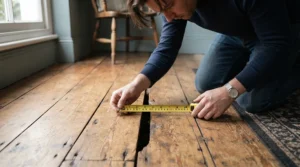
This is the question buyers search for, and the answer is annoyingly practical: enough to fill the hole’s full cross-section, packed so tight you can’t push in another tuft. The working figures below are my reasoning, not an official standard.
A sensible rule of thumb
For a hole around pencil width (about 6mm), a pinch the size of your thumb-tip, compressed hard, is plenty. For a 20mm pipe gap, start with a piece roughly three to four times the volume of the gap before compression. Pack it in layers until a screwdriver tip won’t push in any more, aiming for a plug that’s several centimetres deep. Shallow plugs are easier to pull out.
What the roll sizes mean
A 450g roll like the Connect Wire Wool Coarse Grade 450g (32119) will usually outlast a single-home survey, since each hole needs only a modest wad. In a kit like The Big Cheese Mouse Out, each large pad is 77mm x 236mm, which on paper covers a pipe collar or several small holes once cut.
When wool alone isn’t enough
Pestfix’s guidance is that wool alone suits voids up to 50mm. Bigger than that, use foam with wool backing it, or switch to a mesh or plate. A big hole stuffed with a mountain of wool is just a bigger handhold for a mouse.
Real-World Scenarios: Which Steel Wool Suits Which Home?
Picture three buyers.
The Victorian terrace renter
The gaps are under the kitchen sink and behind the boiler cupboard: dry, interior and awkward. With a modest budget, a Connect Wire Wool Coarse Grade 450g (32119) roll, backed by a tube of sealant, does the job. Add a small amount of Connect Wire Wool Medium Grade 450g (32120) wool for the slimmer gaps if you like. Renters should also ask the landlord before drilling or injecting foam.
The 1970s semi with a garage and cavity vents
Garage walls and eaves get damp. A stainless blend like SWISSINNO Rodent Stop Steel Wool won’t weep rust down the paint. For anything larger than 50mm, add a mesh or plate rather than relying on wool alone.
The landlord proofing several properties
Here, the sums favour trade-style product. Pestfix WM152 or RaxWool Pro suit repeat jobs and bigger voids, with foam where recommended. Keep records of where you’ve sealed, because it’s far easier to find a new gap in a mapped property.
Wire Wool Grades Explained: Does the Number Matter for Mice?
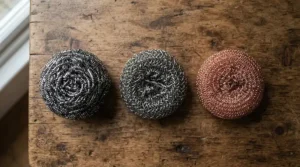
Wire wool grades run from super fine 0000 up to extra coarse 4, according to Wikipedia. The numbers describe filament thickness, and the thicker the fibre, the tougher and more rigid the wool.
The grade ladder in plain English
The grade chart lists 0000 at 0.025mm fibre and grade 4 at about 0.10mm. Finer grades (0000 to 00) are polishing tools, medium grades handle cleaning and rust, and coarse grades 3 and 4 handle paint stripping and heavy rust. Pest sites recommend coarse grades for plugging holes and medium or fine for small openings.
Coarse grade steel wool pack: what to look for
When you shop for a coarse grade steel wool pack, check three things: the grade is stated (3 or 4, or simply “coarse”), the weight (450g suits many holes), and whether it’s stainless or standard. Packs that only say “wire wool” may be fine grade and polishing-oriented. Those won’t give you gnaw resistance.
The verdict
For most mouse holes, coarse is the best default, medium is the fill-in for narrow gaps, and fine or very fine are for polishing, not proofing. Don’t pay a premium for “very fine” thinking it’s better. Here, finer means worse.
Stainless Steel Wire Wool for Pest Proofing: Is It Worth the Extra?
Standard wire wool is carbon steel, and Wikipedia notes that stainless steel wool and bronze wool don’t cause the rust-related effects ordinary steel wool does. That distinction is the whole case for stainless steel wire wool for pest proofing.
Where plain steel is fine
Dry, interior gaps behind kickboards and cupboards, covered by sealant. Here, rust is slow and the wool is hidden. A cheap roll does well.
Where stainless earns its keep
Outdoors, around air bricks, in garages and anywhere condensation collects. Plain wool rusts, crumbles and eventually leaves a gap. Pest-proofing guidance I found describes wire wool as a temporary fill, with stainless preferred for longevity.
Rust-resistant stainless options in this guide
Your rust-resistant stainless options here are SWISSINNO Rodent Stop Steel Wool, RaxWool Pro and Xcluder Rodent Control Fill Fabric. The Big Cheese Mouse Out kit is also described as rust-resistant. The poly fibres in the first three help the wool hold together as you pack it. The trade-off is cost, and for some, availability.
How to Choose Steel Wool for Mouse Holes
Use this checklist before you add anything to your basket.
- Measure the hole. Under 50mm suits wool alone. Above that, plan mesh, foam backing or a plate.
- Decide wet or dry. Damp or exterior gaps need stainless or rust-resistant wool. Dry interior gaps can use standard wool.
- Check the grade. Coarse is the default for plugging. Medium helps in narrow gaps. Avoid fine grades.
- Match the quantity. A 450g roll covers many holes. A kit suits a few.
- Consider tools. A tamper, gloves and shears make installation tidier and safer.
- Plan the finish. Buy sealant or foam to lock the wool in place.
- Check delivery and returns. Especially with imported products like Xcluder.
Steel Wool vs Alternatives: Foam, Mesh, Copper and Traps
Steel wool isn’t the only way to close a hole, and it isn’t always the best. Here is how it compares.
| Option | Gnaw resistance | Longevity | Best For |
|---|---|---|---|
| Coarse steel wool | High | Medium, rusts if damp | Small dry gaps, e.g. Connect Wire Wool Coarse Grade 450g (32119) |
| Stainless poly-fibre wool | High | Long | Outdoor gaps, e.g. SWISSINNO Rodent Stop Steel Wool |
| Expanding foam alone | Low | Medium | Draught sealing, not rodent proofing |
| Copper wool or mesh | High | Long | Visible or damp spots |
| Stainless mesh or plate | Very high | Very long | Large holes, permanent fixes |
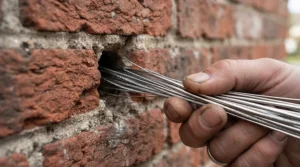
The table shows why wool and foam work best together. Pest-proofing guidance says expanding foam alone is inadequate against rats, so pack wool in first and seal over it. If a hole is bigger than about 50mm, the CDC suggests lath screen, hardware cloth or metal sheeting. For ordinary small holes, wool is the sweet spot of cost and effort.
Common Mistakes When Buying and Fitting Steel Wool
Most failures come down to a few habits.
Buying fine grade because it “sounds premium”
Very fine wool is soft and polishing-oriented. It packs easily but offers less gnaw resistance. Choose coarse.
Packing loosely
Loose wool can be pulled out or pushed aside. Layer it, tamp it and seal it.
Skipping the survey
One reviewer found mice were getting in through unsealed gas pipe holes. If you plug the obvious hole and miss the second, the mice simply move on.
Using plain wool outdoors
It rusts, stains and crumbles. Choose a stainless option, or seal it well.
Relying on scent alone
Peppermint spray in a kit is a nice extra, but the barrier is the product. Don’t skip packing and sealing.
Forgetting the food and nesting source
Council advice, such as West Northamptonshire Council’s pest guidance, points to blocking access and storing food carefully. Sealing without removing food leaves mice trapped inside with a motive to chew harder.
Long-Term Cost & Maintenance
Steel wool is one of the cheapest pest-proofing materials, though not always the cheapest over time. The comparison below uses indicative ranges and my own rough estimates.
| Option | Typical outlay | Rough cost per hole | Lifespan | Best For |
|---|---|---|---|---|
| Connect Wire Wool Coarse Grade 450g (32119) | Around £12-£15 | Pennies to tens of pence | Years if dry and sealed | Many small dry holes |
| The Big Cheese Mouse Out kit | Around £12-£15 | Higher, fewer holes | Years if sealed | A handful of holes |
| SWISSINNO Rodent Stop Steel Wool | Budget-friendly | Low to moderate | Long, rust-free | Outdoor and damp gaps |
| Xcluder kit | Roughly £15-£25 equivalent | Moderate | Long, rust-free | Permanent fixes |
A 450g roll that handles a few dozen holes works out very cheap per hole, which is why bulk wool wins on paper. Stainless costs more upfront but avoids repacking rusted plugs, so for exterior gaps it’s the better long-term value. As for maintenance, do a quick inspection each autumn when mice look for winter quarters. Look for gnawing, pulled tufts and cracked sealant, and repack as needed.
Safety, Wildlife and UK Rules to Know Before You Plug Anything
A few cautions keep you out of trouble.
Personal safety
Wear gloves, because steel wool splinters. Wikipedia notes that fine steel wool is combustible in air, so keep it away from sparks, flames and live electrical work.
Don’t block ventilation
Air bricks and appliance flues need airflow. Fit a proper mesh cover instead of stuffing wool into them, and never block any flue or gas appliance vent.
Check for wildlife first
Bats are legally protected in the UK. If you suspect a roost, seek advice before sealing a roof or eaves gap.
Know where responsibility lies
Council guidance, such as Somerset Council’s pest control page, notes that councils often don’t provide treatment and advises contacting BPCA or NPTA-approved contractors for urgent infestations. Darlington Council also says the Prevention of Damage by Pests Act places duties on occupiers and owners regarding rats. So if you’ve a serious infestation, call a professional rather than relying on wool alone.
FAQ
❓ Will mice chew through steel wool for mouse holes?
❓ Can I buy a coarse grade steel wool pack online, and what size should I get?
❓ How long does steel wool last in a mouse hole?
❓ Is steel wool safe around pets and children?
❓ Does steel wool for mouse holes work against rats too?
Conclusion
Steel wool for mouse holes remains the best blend of cheap, simple and humane. The craft lies in the details. Pick coarse grade for most gaps, step up to stainless where damp is a problem, pack it tight, and seal it in.
If you want my short list: the Connect Wire Wool Coarse Grade 450g (32119) is the value default for dry interior holes. The Big Cheese Mouse Out kit is the friendliest for beginners. The SWISSINNO Rodent Stop Steel Wool is the stainless pick for exposed gaps. The Connect Wire Wool Medium Grade 450g (32120) is a handy supporting roll, Pestfix WM152 and RaxWool Pro suit bigger or repeat jobs, and Xcluder suits permanent fixes if you can source it. Check current prices and availability on each listing, as they change often.
Survey first, plug every gap, then recheck in a fortnight. A mouse needs only 6mm to move in, so don’t leave it one.
✨ Ready to Close the Door on Mice?
🔍 Take your home pest-proofing to the next level with these carefully selected products. Click on any highlighted item to check current pricing and availability, then seal those gaps with confidence! 🐭
Recommended for You
- Steel Wool Vs Expanding Foam For Mice: 7 Proven Fixes (2026)
- Rodent Proofing Products: 7 Proven UK Picks That Work (2026)
- Multi Pack Ultrasonic Pest Repellers: 7 Honest Picks, UK 2026
Disclaimer: This article contains affiliate links. As an Amazon Associate, I earn from qualifying purchases. If you purchase products through these links, we may earn a small commission at no additional cost to you.
✨ Found this helpful? Share it with your friends! 💬🤗
