
In This Article
There’s a particular kind of dread that comes with hearing a scratch behind the skirting board at 11pm. You Google a solution, and within about four clicks you’re staring at two very different-looking products: a tub of waxy little blocks, and a plastic box that looks like something out of a spy film. Welcome to the mouse bait blocks vs bait stations debate — a decision that trips up more first-time buyers than it has any right to.

So, quick answer first, because you’re busy: mouse bait blocks are the poisoned bait itself — small wax or grain formulations designed to be eaten — while a bait station is the lockable housing that holds that bait securely away from children, pets and wildlife. One is the ammunition, the other is the safe. In most UK homes, you genuinely need both, and picking the wrong combination is how people end up with a dead mouse under the fridge and a very confused Labrador. Below, we’ve dug into seven real products on the market, weighed up the safety trade-offs, and worked out exactly when an open block will do and when you need a fully enclosed setup. According to HSE guidance on rodenticides, all such products carry inherent risk to non-target animals, which is precisely why this choice matters more than most people assume.
By the end of this guide you’ll know which of the seven products below suits a damp garage, a kitchen with toddlers underfoot, or a landlord juggling six tenanted flats — and you’ll understand why “just get the strongest poison” is almost never the right first question to ask.
Quick Comparison Table
| Product Type | Best For | Setup Effort | Typical Price Range | Child/Pet Safety |
|---|---|---|---|---|
| Open bait blocks (loose) | Sheds, lofts, inaccessible voids | Low | Under £10 | Lower — no physical barrier |
| Pre-baited bait stations | Fast, no-mess first response | None (ready-to-use) | £5-£10 | Moderate-High |
| Empty/refillable stations | Ongoing prevention, multiple rooms | Medium | £8-£35 (multi-packs) | High |
| Bulk professional stations | Landlords, large properties | Medium-High | £25-£40 for 10 | Highest |
Reading across that table, the pattern is fairly stark: the more enclosed and lockable the product, the safer it is around households with kids or curious cats, but you trade off a bit of setup time. Open blocks win on cost-per-gram and flexibility for tight, human-inaccessible spaces like loft eaves, but they should really only ever be used loose in places nothing else can reach. If you’re weighing up mouse bait blocks vs bait stations for a family home, the enclosed options in the second half of our list are going to be doing most of the heavy lifting.
💬 Already got a front-runner in mind? Scroll down to see it up close before the mice beat you to it.
Top 7 Mouse Bait Blocks and Bait Stations: Expert Analysis
We’ve deliberately mixed open bait blocks with enclosed stations here, because a genuinely useful comparison has to show both sides of the argument, not just one. Budget, mid-range and premium options are all represented, alongside a couple of brand variants worth knowing about.
1. Pest-Stop Super Rat & Mouse Killer MAX Wax Blocks — best budget open bait for damp sheds
The standout here is the weather-resistant wax formula, which keeps performing in the sort of damp, unheated spaces where cheaper baits turn to mush within a fortnight. Each tub holds 15 x 10g blocks containing brodifacoum at the legally compliant 25ppm concentration, and the chocolate scent is a genuinely clever touch — it’s formulated specifically because mice are drawn to sweet, calorie-dense smells over anything savoury.
Based on the spec comparison with other single-feed rodenticides on this list, brodifacoum is a second-generation anticoagulant, meaning one feed is typically enough, though death takes several days as the compound works through the bloodstream. This is a good match for confident DIY users tackling a shed, garage, or loft void where nothing except mice could physically reach the bait — it’s a poor match for anywhere a curious pet could nose its way in, since these blocks are loose rather than housed.
Reviewers consistently report that the resealable tub keeps the remaining blocks fresh between uses, and a recurring theme in feedback is that the chocolate scent noticeably speeds up bait uptake compared to unscented alternatives.
Pros:
- ✅ Weather-resistant wax holds up in damp, unheated spaces
- ✅ Chocolate scent genuinely improves bait uptake speed
- ✅ Resealable tub keeps unused blocks fresh for months
Cons:
- ❌ Sold loose, so it needs a station or fully inaccessible void
- ❌ Not the format of choice around pets or young children
At around £7-£9 for 15 blocks, the Pest-Stop Super Rat & Mouse Killer MAX Wax Blocks work out as one of the cheapest per-gram options on this list, and they’re excellent value if you already own a station or have a genuinely sealed void to bait.
2. Rentokil Mouse & Rat Killer Weatherproof Blocks — toughest wax formula for outdoor use
What most buyers overlook about this one is that it’s dual-purpose — the same 20g blocks are rated for both mice and rats, so you’re not buying two separate products if your problem turns out to be bigger than expected. The pack of 10 blocks is engineered to be genuinely hard-wearing outdoors, and Rentokil’s own guidance states the formula is designed to remain palatable even after exposure to rain, which matters enormously if you’re baiting along an exterior wall or fence line rather than indoors.
Here’s what to weigh up: this is a professional-grade brand with roughly 90 years in UK pest control, so the manufacturing consistency tends to be more reliable batch-to-batch than some newer own-brand alternatives. It’s best suited to households or smallholdings dealing with an established outdoor rodent run rather than a single indoor mouse, and it must be paired with a tamper-resistant station for any outdoor placement under current UK rules.
Aggregated customer sentiment on this brand skews strongly positive for reliability, though a common complaint across Rentokil’s block range generally is that ten blocks disappear fast if the infestation is significant.
Pros:
- ✅ Rated for both rats and mice in one product
- ✅ Genuinely weatherproof — holds up in rain and damp
- ✅ Backed by a long-established UK pest control brand
Cons:
- ❌ Must be housed in a tamper-resistant station outdoors by law
- ❌ Ten blocks go quickly on a heavier infestation
Priced in the £10-£13 range for a 10-pack, the Rentokil Mouse & Rat Killer Weatherproof Blocks sit slightly above Pest-Stop on cost but earn it back with brand consistency and genuine outdoor durability.
3. The Big Cheese Ultra Power Mouse Kill Bait Station — fastest ready-to-use station out of the box
The standout feature here is genuinely the zero-setup convenience: this is a tamper-resistant station that arrives pre-loaded with a 20g bait block, so there’s no handling poison with your bare hands at 11pm on a Tuesday. On paper this means less exposure risk for the user, which is exactly the audience this product is built for — people who want a mouse dealt with tonight, not a DIY project. The enclosed design protects the bait from pets, children and the weather simultaneously, and the compact footprint tucks behind appliances or into cupboard corners without drawing attention.
What the spec sheet won’t tell you, but reviewers note, is that the translucent viewing window on similar Big Cheese stations makes it much easier to check bait consumption without opening the unit — a small but genuinely useful detail for anxious first-timers.
This is squarely the beginner’s pick: someone who has never dealt with rodenticide before and doesn’t want to think too hard about the process. The trade-off is that once the pre-loaded bait is gone, you’re either buying compatible refills or replacing the whole unit.
Pros:
- ✅ Arrives pre-baited — genuinely no setup required
- ✅ Enclosed design shields bait from pets and weather
- ✅ Compact enough for discreet indoor placement
Cons:
- ❌ Refill options are more limited than open, refillable stations
- ❌ Single-use feel makes it pricier per gram of bait
Typically priced around £5-£8 for the ready-to-use single unit, the Big Cheese Ultra Power Mouse Kill Bait Station earns its keep on convenience rather than long-term value.
4. Rentokil Mouse Bait Station — most trusted lockable design
The genuine standout on this one is the key-operated locking lid, which is a materially different safety proposition to the snap-shut clips used on some budget stations. Based on the spec comparison, the entry holes are sized to admit a mouse but not a cat’s paw or a small child’s fingers — a deliberately engineered constraint rather than a happy accident. Inside, the station accepts standard bait blocks on an internal securing rod as well as grain sachets laid on the floor, meaning it isn’t locked into one brand of bait once you’ve bought the housing.
This is a strong pick for households with both pets and an ongoing mouse problem, since the lockable design meets the tamper-resistance standard required under UK rodenticide rules without you needing to research compliance yourself.
Aggregated reviews consistently praise the “comes ready to use out of the box” experience, and a recurring theme in feedback is appreciation for the brand recognition — people trust the Rentokil name specifically because it’s the same company many professional pest controllers use.
Pros:
- ✅ Genuine key-locking lid, not just a clip mechanism
- ✅ Accepts blocks, grain and pasta bait — not brand-locked
- ✅ Entry holes sized to exclude pets and small hands
Cons:
- ❌ Sold as a single station, so multi-room coverage needs several
- ❌ Slightly pricier per unit than unbranded alternatives
At roughly £5-£9 per station, the Rentokil Mouse Bait Station is the safety-conscious buyer’s default choice, particularly where pets are part of the household.
5. The Big Cheese Mice Bait Station Twin Pack with Refill Blocks — best value refillable twin-pack
What stands out immediately is that you get two reusable stations plus five 20g bait blocks in a single 204g pack, which solves the “one mouse, one room” fallacy — mice rarely confine themselves to a single location, so having two stations from day one means you can bait the kitchen and the utility room simultaneously. The translucent inspection chamber is a genuinely practical feature: you can see at a glance whether bait has been taken without unlocking anything, which reduces unnecessary handling.
Reviewers consistently highlight the two-way entry design as effective at increasing uptake speed, since it gives mice two approach routes rather than forcing them to commit to a single entrance. This is well suited to anyone managing a low-to-moderate infestation across more than one room, or landlords wanting a starter kit that doesn’t require buying stations and bait separately.
Because the blocks contain brodifacoum and are rated to kill in a single feed, the manufacturer’s own guarantee of quick results is grounded in the chemistry rather than marketing spin — though as with all second-generation anticoagulants, “quick” means days, not minutes.
Pros:
- ✅ Two stations plus five refill blocks in one purchase
- ✅ Translucent window shows bait uptake without opening
- ✅ Two-way entry increases the chance of mice finding it
Cons:
- ❌ Five refill blocks won’t last through a serious infestation
- ❌ Twin-pack limits you to two placement points initially
Sitting around £8-£10 for the full twin-pack kit, the Big Cheese Mice Bait Station Twin Pack is arguably the strongest all-in-one value pick on this list for a typical two-to-three-bedroom home.
6. Roshield 10 Tamper-Proof Mouse Bait Boxes — best bulk buy for whole-house coverage
The headline feature is scale: ten individually lockable stations from a single purchase, which is exactly what you need if mice are active in more than two or three spots, or if you’re proofing an entire property rather than reacting to one sighting. Manufactured in the UK from recycled automotive plastics, these stations are compliant with UK regulations and feature dual compartments with internal bait spikes plus floor-anchoring options, meaning they can be fixed in place rather than kicked around by a determined rodent or an inquisitive dog.
Reviewers holding an aggregated 4.4 out of 5 rating across close to 2,000 verified purchases consistently flag the weatherproofing as genuinely effective for sheltered outdoor use, such as under decking or against an external wall.
This is the pest-controller’s-eye-view pick: buy once, deploy across the whole perimeter, and you’re set up for months of monitoring rather than firefighting one room at a time. The trade-off is that these arrive empty, so you’re buying compatible bait separately, and the upfront cost is naturally higher than a single pre-baited unit.
Pros:
- ✅ Ten lockable stations cover a whole property in one go
- ✅ Made from recycled UK-manufactured plastic, genuinely durable
- ✅ Floor-anchoring stops stations being dragged or tipped over
Cons:
- ❌ Sold empty — bait blocks are a separate purchase
- ❌ Higher upfront cost than single pre-baited stations
Expect to pay somewhere in the £25-£35 range for the full 10-pack, which the Roshield 10 Tamper-Proof Mouse Bait Boxes justify through sheer coverage and reusability over multiple seasons.
7. Mice & Co Large Professional Bait Boxes — best budget commercial-grade pick
The standout advantage is price-to-quality ratio: this pack of two stations is built from high-impact, UV-resistant polypropylene that’s genuinely rated for year-round outdoor exposure, yet it undercuts most competing commercial-grade products. The tamper-resistant, lockable design with an included key meets UK stewardship requirements for anyone using rodenticide as part of a planned baiting programme, not just a single reactive treatment.
On paper this means small business owners — cafés, takeaways, light-industrial units — get compliant, professional-grade equipment without committing to the volume (and cost) of a full ten-pack. What most buyers overlook here is that “large” in the name refers to internal capacity, meaning these stations comfortably accommodate rat-sized bait as well as mouse bait, giving some flexibility if the problem turns out to be bigger than initially thought.
This is best suited to landlords or small commercial operators who need two or three compliant stations rather than ten, without paying a premium for volume they won’t use.
Pros:
- ✅ Commercial-grade polypropylene at a genuinely low price point
- ✅ Internal capacity handles both mouse and rat-sized bait
- ✅ Lockable, UV-resistant design suited to year-round outdoor use
Cons:
- ❌ Pack of two is limiting for larger, multi-room infestations
- ❌ Brand has a smaller review pool than Rentokil or Big Cheese
At around £10-£15 for the pair, the Mice & Co Large Professional Bait Boxes represent the best entry point into commercial-grade compliance for anyone not ready to commit to a bulk order.
Practical Usage Guide: Setting Up Your First Bait Station
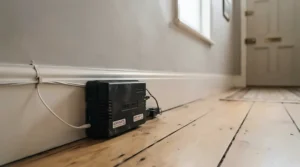
Getting the placement right matters more than which product you buy. Mice are thigmotactic, meaning they instinctively travel along edges — skirting boards, wall lines, the base of cupboards — rather than crossing open floor space, so a station placed in the middle of a room is almost always wasted effort. Position stations flush against a wall, ideally within a metre of where you’ve spotted droppings or gnaw marks, and space multiple stations five to ten metres apart along a suspected run. During the first week, check every two to three days rather than waiting for a fortnight to pass; this lets you spot whether bait is being taken at all, which tells you whether you’ve placed it correctly or need to relocate it. A common first-30-days mistake is giving up after four or five days with no visible activity — anticoagulant baits typically take three to fourteen days to work, and a mouse that’s fed once will keep behaving normally for several days before it dies, often somewhere out of sight. Wear gloves when handling bait or refilling stations, wash your hands afterwards regardless, and always remove all bait once the infestation is confirmed cleared rather than leaving stations permanently loaded “just in case.”
Real-World Scenarios: Matching the Product to Your Situation
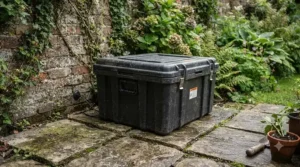
Picture three different households. First, a young family in a terraced house with a toddler and a cat, hearing scratching in the kitchen wall — for them, a fully enclosed, lockable option like the Rentokil Mouse Bait Station is close to non-negotiable, because the risk calculus around a curious toddler changes everything. Second, a retired couple with a detached garage and a persistent mouse problem in dry storage boxes, nothing living nearby that could access loose bait — here, the Pest-Stop Super Rat & Mouse Killer MAX Wax Blocks used loose in a genuinely sealed void is a perfectly reasonable, cost-effective choice. Third, a landlord managing a converted HMO with six tenants across three floors, needing compliant, documented pest control for insurance and safety reasons — the Roshield 10 Tamper-Proof Mouse Bait Boxes make sense precisely because bulk coverage and regulatory compliance matter more than saving a few pounds per unit. None of these buyers should be using the same product, and that’s really the whole point of this comparison.
How to Choose Between Mouse Bait Blocks and Bait Stations
- Assess who else has access to the space. If children, pets, or wildlife can reach the area, an enclosed, lockable station is essentially mandatory, not optional.
- Check whether the location is indoor, outdoor, or damp. Weatherproof wax blocks and UV-resistant stations matter far more outdoors than in a dry kitchen cupboard.
- Estimate the scale of the problem. A single sighting suits one or two stations; multiple droppings across rooms points toward a bulk pack.
- Decide between pre-baited and refillable. Pre-baited stations suit one-off convenience, while refillable systems are cheaper over a multi-month treatment.
- Confirm the bait format the station accepts. Some housings only take blocks on an internal spike, others also accommodate grain or pasta sachets — check compatibility before buying separately.
- Factor in your own comfort handling poison. If you’d rather not touch bait directly, a pre-loaded station removes that step entirely.
- Plan for monitoring, not just placement. Choose a product with a clear inspection method — a viewing window or an easy-open lid — since you’ll be checking it every few days.
Open Bait vs Enclosed Bait: Which Is Actually Safer?
This is the crux of the whole mouse bait blocks vs bait stations question, so it’s worth being precise. Open bait — loose blocks, grain, or pellets placed directly in a void — offers no physical barrier between the rodenticide and anything else that might come across it, whether that’s a pet squeezing into a gap or a bird of prey later eating a poisoned mouse. Enclosed bait, housed inside a tamper-resistant station, restricts access through entry holes sized specifically for target rodents, and locks the bait away from direct contact entirely. Under the CRRU UK Code of Best Practice, professional and amateur users alike are expected to use tamper-resistant stations wherever there’s any realistic chance of non-target access, and open bait is really only defensible in genuinely sealed voids that nothing else can enter — think loft eaves, wall cavities, or the underside of decking with no other access point. Reviewers and pest professionals both note that enclosed stations also slow moisture ingress and dust contamination, which extends the working life of the bait itself. If you’re at all unsure whether a space is truly inaccessible, the answer is to default to enclosed every time; the cost difference between a block and a station is a few pounds, but the downside risk of a poisoned pet is not.
Bait Station Safety: What You Need to Know
Bait station safety isn’t just a nice-to-have feature; under UK rules, using rodenticide in an amateur setting without a tamper-resistant station is treated as non-compliant use, full stop. A genuinely safe station has three characteristics: a lockable lid requiring a key or tool (not a simple clip a determined child could work out), entry holes sized to admit rodents but exclude paws and fingers, and internal anchoring — either a bait spike or floor-fixing points — so the bait can’t be shaken loose or the whole unit tipped over. It’s worth stressing that “child-resistant” is not the same as “childproof”; no station eliminates risk entirely, which is why placement still matters even with a locked box. Keep stations away from areas where food is prepared, out of a toddler’s reach even before they can climb, and always supervise pets during the initial days of a new placement until you’re confident the unit is holding firm. If you have young children specifically, positioning stations behind furniture or appliances adds a second layer of physical inaccessibility on top of the lock itself.
Non-Target Animal Risk: Pets, Wildlife and Children
Non-target animal risk is the single biggest reason the enclosed-vs-open decision matters so much. Cats and dogs can be poisoned through direct consumption of loose bait, but the more insidious pathway is secondary poisoning — a pet or wild predator eating a rodent that has already fed on anticoagulant bait and is dying slowly. According to the Barn Owl Trust’s guidance on rodenticide use, second-generation anticoagulants typically take three to fourteen days to kill a rodent, during which time it continues moving around and remains vulnerable to predation — this is precisely why bait-covering alone does not meaningfully reduce secondary poisoning risk for predators such as owls, kestrels, or even garden-visiting cats. Studies referenced by CRRU have found rodenticide residues in the vast majority of British barn owls tested, which is a sobering statistic given that these birds are themselves a valuable, free form of rodent control. Practically, this means outdoor baiting should always sit inside a proper station, dead rodents should be collected and disposed of promptly rather than left to be scavenged, and open-area outdoor baiting not directly connected to a building has, since January 2025, become illegal for second-generation anticoagulants specifically because of this risk chain.
Tamper Resistance Explained: What Actually Matters
Marketing copy loves the phrase “tamper-resistant,” but the feature is really a combination of three engineering choices, not a single switch. First, a genuine locking mechanism — a screw, a key, or a dedicated tool — beats a simple snap-clip every time; clips can be worked open by a persistent five-year-old or a determined terrier. Second, entry hole geometry matters more than most buyers realise: holes sized around 25mm admit a mouse comfortably while excluding a cat’s paw, but a station with oversized or poorly placed openings undermines the whole point regardless of how sturdy the lock is. Third, internal bait securing — a spike or clip holding the block in place — stops bait being dragged out through the entry hole by a mouse that’s more interested in hoarding than eating on the spot, a behaviour that’s more common than people expect. What doesn’t matter nearly as much as manufacturers imply: colour, brand logos, or claimed “professional” status without a locking mechanism to back it up. If a product description doesn’t explicitly mention a key, screw, or locking tab, assume it’s a basic clip-shut box regardless of how it’s marketed.
Bait Block Application: Getting It Right
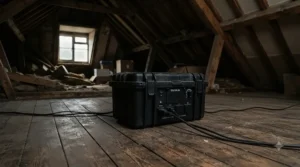
Correct bait block application solves more problems than switching products ever will. Always use gloves when handling blocks directly — not primarily for your safety with a properly formulated product, but because human scent can occasionally make bait less appealing to naturally cautious rodents. Secure the block on the internal spike or clip inside a station rather than leaving it loose on the base, since an unsecured block gets dragged out and hoarded elsewhere within the property, defeating both the safety and the effectiveness of the enclosure. Replace bait every two to three days if it hasn’t been touched at all, since stale or contaminated blocks lose palatability, particularly in humid environments. If you’re baiting a damp shed or an outdoor location, favour weatherproof wax formulations specifically — standard grain bait breaks down far faster in moisture and needs replacing more frequently, which drives up both cost and handling risk. Finally, once you stop seeing activity for a week or more, remove all bait rather than leaving a station “topped up” indefinitely; ongoing unnecessary baiting is one of the main drivers of the anticoagulant resistance now being tracked through the UK rodenticide stewardship regime.
Refill Compatibility: Universal vs Brand-Locked Systems
Refill compatibility is an underrated factor when comparing mouse bait blocks vs bait stations, because it determines your ongoing cost long after the initial purchase. Stations like the Rentokil Mouse Bait Station and the Roshield 10 Tamper-Proof Mouse Bait Boxes are built around a generic internal spike or clip, meaning they’ll accept most standard 10g-20g wax blocks regardless of brand — you’re not locked into repurchasing the exact same manufacturer’s bait indefinitely. By contrast, some pre-baited, single-use stations such as the Big Cheese Ultra Power Mouse Kill Bait Station are designed more as a complete, disposable unit, and while many will accept generic blocks with a bit of adjustment, the manufacturer’s own refill range is the more reliable fit. Before buying a station specifically for its long-term running cost, check the internal dimensions against the bait blocks you’re planning to use — a mismatch here is a common and entirely avoidable source of frustration. Generally, refillable systems from established pest control brands work out cheaper over a three-to-six-month treatment period than repeatedly buying disposable pre-baited units, even though the upfront cost is slightly higher.
Mouse Bait Stations vs Traditional Snap Traps
| Factor | Bait Stations (with block/grain bait) | Traditional Snap Traps |
|---|---|---|
| Speed of visible result | Days (bait must be consumed and metabolised) | Immediate on trigger |
| Ongoing monitoring needed | Yes, every 2-3 days | Yes, daily ideal |
| Safety around pets/children | High, if genuinely tamper-resistant | Moderate — mechanism itself is a hazard |
| Best For | Ongoing, multi-mouse infestations | Single confirmed mouse, fast resolution wanted |
The analysis here comes down to what you’re optimising for: snap traps give you an immediate, visible outcome and avoid poison in the home entirely, which suits households wanting a fast, contained resolution to a single mouse. Bait stations, by contrast, are better suited to an ongoing or larger infestation where multiple mice are likely active simultaneously, since a station keeps working around the clock without needing to be reset after every catch. Many experienced users actually run both in parallel — snap traps for immediate, confirmed sightings, and bait stations along likely runs for the mice you haven’t seen yet.
Common Mistakes When Buying Mouse Bait Products
The most frequent mistake is buying loose bait blocks for a kitchen or living space without any housing at all, assuming a corner placement is discreet enough to be safe — it isn’t, and it’s non-compliant with UK guidance regardless of how tucked away it looks. A second common error is under-buying: purchasing a single station for a problem that’s clearly active in three or four rooms, then feeling frustrated when activity persists elsewhere in the house. Third, buyers frequently overlook refill compatibility entirely, ending up with a station that technically works but requires an inconvenient, more expensive bait format than they’d planned for. Fourth, some buyers assume “tamper-resistant” printed on packaging automatically means genuinely lockable, when in practice many budget clip-shut boxes use that phrase loosely; checking specifically for a key or screw mechanism avoids this trap. Finally, a surprising number of people stop monitoring once bait has clearly been eaten, assuming the job is done — but a single feed doesn’t confirm the whole population has been dealt with, and stations should keep being checked until activity has genuinely stopped for a week or more.
Long-Term Cost & Maintenance
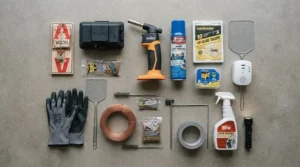
Looking at total cost of ownership rather than sticker price changes the calculus considerably. A single-use pre-baited station like the Big Cheese Ultra Power Mouse Kill Bait Station costs less upfront but needs full replacement once exhausted, whereas a refillable system such as the Rentokil Mouse Bait Station costs slightly more initially but only needs a fresh block every few weeks during an active infestation — typically working out cheaper over a three-month treatment window. Bulk options like the Roshield 10 Tamper-Proof Mouse Bait Boxes front-load the cost but, because the housings are reusable for years, the effective cost-per-placement drops sharply if you’re managing recurring seasonal activity, which is common in older properties or anywhere near open farmland. Maintenance-wise, budget ten minutes every two to three days during an active treatment for checking and topping up, dropping to a monthly check once activity has stopped, purely as a precaution against re-infestation. Factor in gloves and a small bag for safe disposal of spent bait and any rodent remains as an ongoing, low but real cost across the life of any rodenticide programme.
| Approach | Upfront Cost | 3-Month Running Cost | Best Long-Term Fit |
|---|---|---|---|
| Pre-baited single stations | Low | Medium-High (repeat purchases) | Occasional, single-room issues |
| Refillable single stations | Medium | Low-Medium | Ongoing household infestations |
| Bulk professional stations | High | Low (reusable housing) | Multi-room or whole-property coverage |
Interpreting the table above, the cheapest product on the shelf is rarely the cheapest option once you factor in a realistic three-month treatment window; refillable and bulk systems both pull ahead on genuine value the longer an infestation runs.
Frequently Asked Questions
❓ What's the actual difference between mouse bait blocks and bait stations?
❓ Can I just use loose mouse bait blocks without a station?
❓ How long do mouse bait blocks take to work?
❓ Are bait stations safe around pets and children?
❓ Do all bait stations accept any brand of bait block?
Conclusion
If there’s one takeaway from this whole mouse bait blocks vs bait stations comparison, it’s that the “best” product depends entirely on who and what shares your space, not on which bait is theoretically the most potent. Households with pets or children should default to a genuinely lockable station every time — the Rentokil Mouse Bait Station and Roshield 10 Tamper-Proof Mouse Bait Boxes both do this well at different scales. Confident DIY users with a truly sealed void, like a loft or dry garage, can reasonably use open blocks such as the Pest-Stop Super Rat & Mouse Killer MAX Wax Blocks to save money without meaningfully increasing risk. And landlords or small business owners juggling compliance across multiple rooms will get the most consistent, documented results from bulk, refillable systems rather than a string of disposable single units. Whichever direction you go, the underlying rules stay the same: check regularly, remove bait once the problem is genuinely resolved, and never let convenience override the basic safety case for keeping rodenticide locked away from anything it isn’t meant to kill.
✨ Sorted your mouse problem? Bookmark this page — you’ll want it again before the next cold snap sends them looking for shelter! 🐭🔒
Recommended for You
- Best Mouse Poison UK: 7 Top Picks Ranked & Tested (2026)
- Mouse Bait Blocks: 7 Best UK Picks Compared (2026)
- Child and Pet Safe Mouse Traps: 7 Best Picks for UK Homes (2026)
Disclaimer: This article contains affiliate links. As an Amazon Associate, I earn from qualifying purchases. If you purchase products through these links, we may earn a small commission at no additional cost to you.
